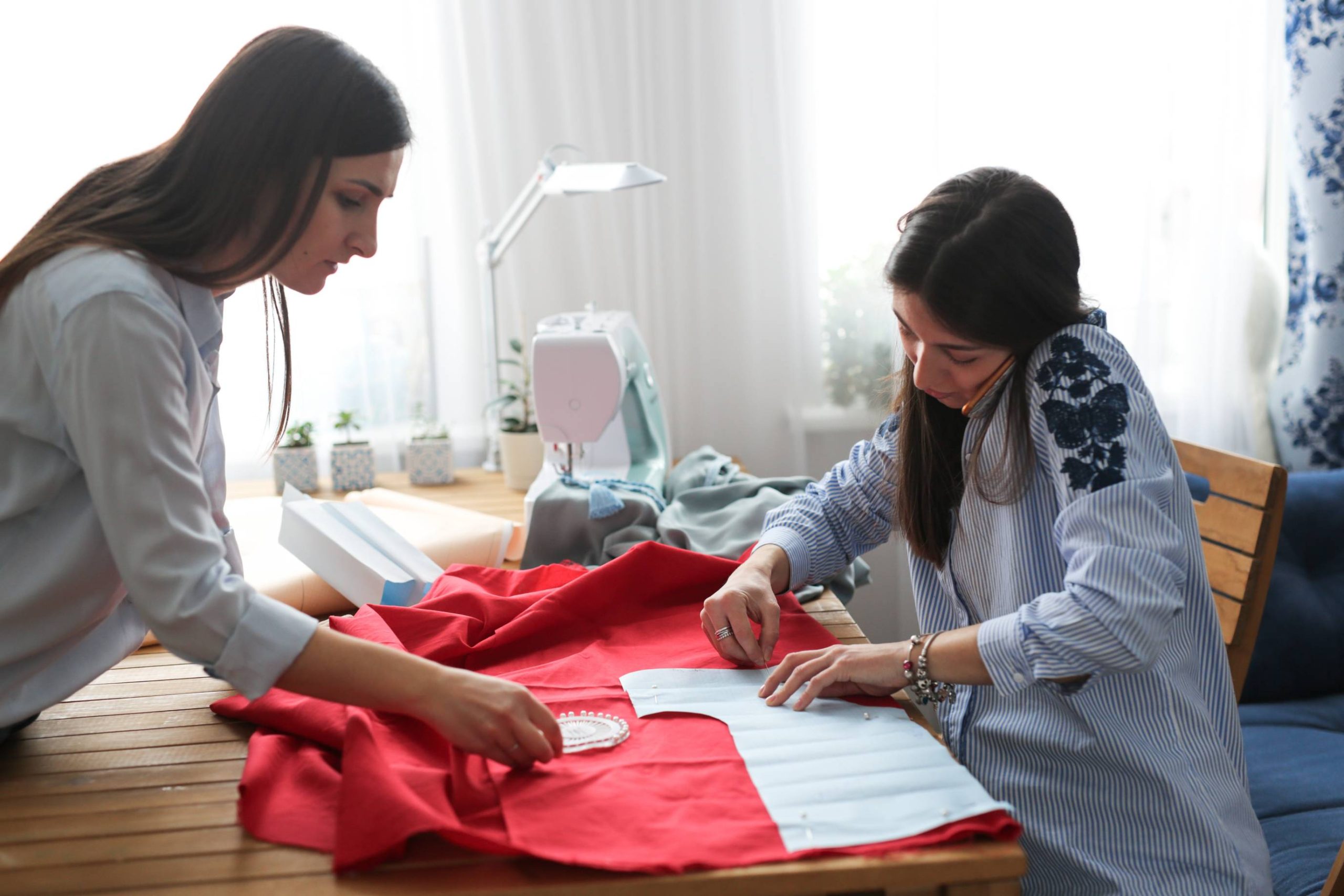
The world of textiles is just so amazing and so plentiful with options, each being its own special contribution to the party with its own flair and use to add. Two of the coolest and most versatile materials out there are jacquard fabric and nylon fabric, and they each have their own personality that makes them fit for different styles and uses. Plus, understanding how fabric color plays into design and durability is super important, whether you’re a pro or just love creating at home. This tutorial is all about finding these fabrics and how you can enhance them with color.
What Is Jacquard Fabric?
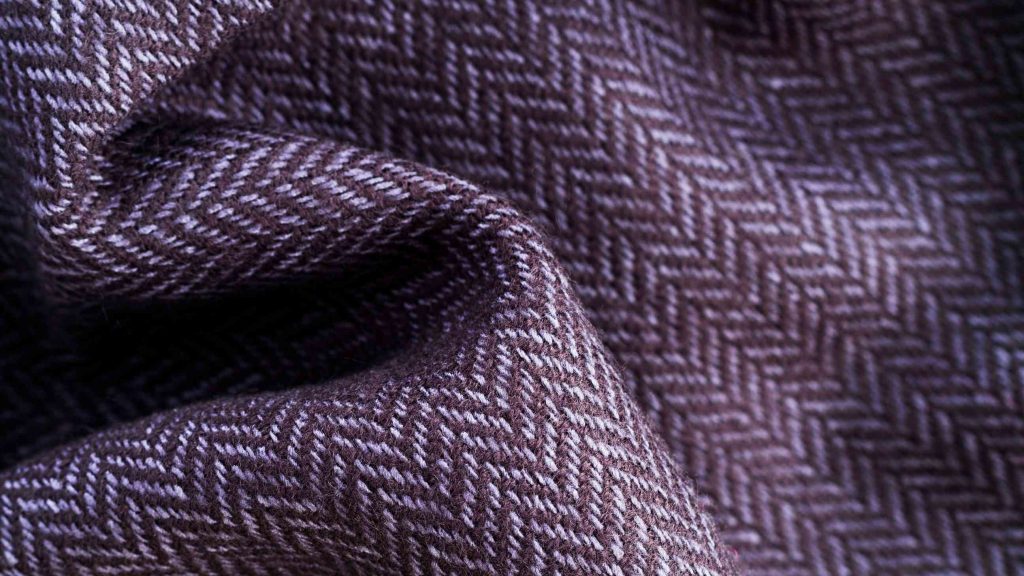
Jacquard fabric is a really neat type of textile that has fancy, woven patterns or designs made on a special Jacquard loom. The designs can range from floral and geometric shapes to damask and brocade styles. What’s awesome about the loom is that each thread can be controlled separately, making it possible to create way more complex and detailed patterns compared to your standard woven fabrics.
Why Jacquard Fabric is So Unique
Jacquard fabric is a must-have in fashion and home decor, loved for its fancy detailing and solid structure. Unlike printed textiles, jacquard weaves make patterns a part of the fabric itself, giving it a rich and sophisticated look.
What Exactly is Jacquard Fabric?
Jacquard fabric takes its name from the Jacquard loom, an early 1800s innovation. This brilliant machine enabled them to weave intricate patterns into the fabric. The way it works is to control individual warp threads to construct complex designs like floral motifs, damasks, and brocades. These patterns not only look great but also provide a good texture and depth to the fabric, so jacquard is not only stylish but also tactile.
Types of Materials Used in Jacquard Fabric
The most wonderful thing about jacquard fabric is its versatility. You can weave it out of any type of fibers, including cotton, silk, polyester, and even metallic yarns. Cotton jacquard is a good breather and appropriate for daily wear or warm bedding. Then again, silk jacquard gives off a luxury sheen that’s ideal for formal occasions. Polyester jacquard is really tough and easy to maintain, so it’s ideal for furniture upholstery and affordable fashion. Each fiber type really makes the pattern look and feel different, so the designers have so much room to experiment.
Common Applications of Jacquard in Fashion and Interiors
The most wonderful thing about jacquard fabric is its versatility. You can weave it out of any type of fibers, including cotton, silk, polyester, and even metallic yarns. Cotton jacquard is a good breather and appropriate for daily wear or warm bedding. Then again, silk jacquard gives off a luxury sheen that’s ideal for formal occasions. Polyester jacquard is really tough and easy to maintain, so it’s ideal for furniture upholstery and affordable fashion. Each fiber type really makes the pattern look and feel different, so the designers have so much room to experiment.
The Strength and Practical Appeal of Nylon Fabric
You’ll often find jacquard fabric in places where both style and durability matter. In fashion, it’s a go-to for items like dresses, jackets, and skirts that need a bit of structure and elegance. Its thicker consistency makes it ideal for keeping warm during cooler days, and its beautiful patterns can really make everyday outfits pop. In home décor, jacquard is excellent for curtains, cushions, and upholstery due to its ability to keep its shape and withstand wear and tear. Also, its richness in texture and appearance lends a part of luxury and complexity, be it for clothes or the interior.
What is Nylon Fabric and How is it Made?
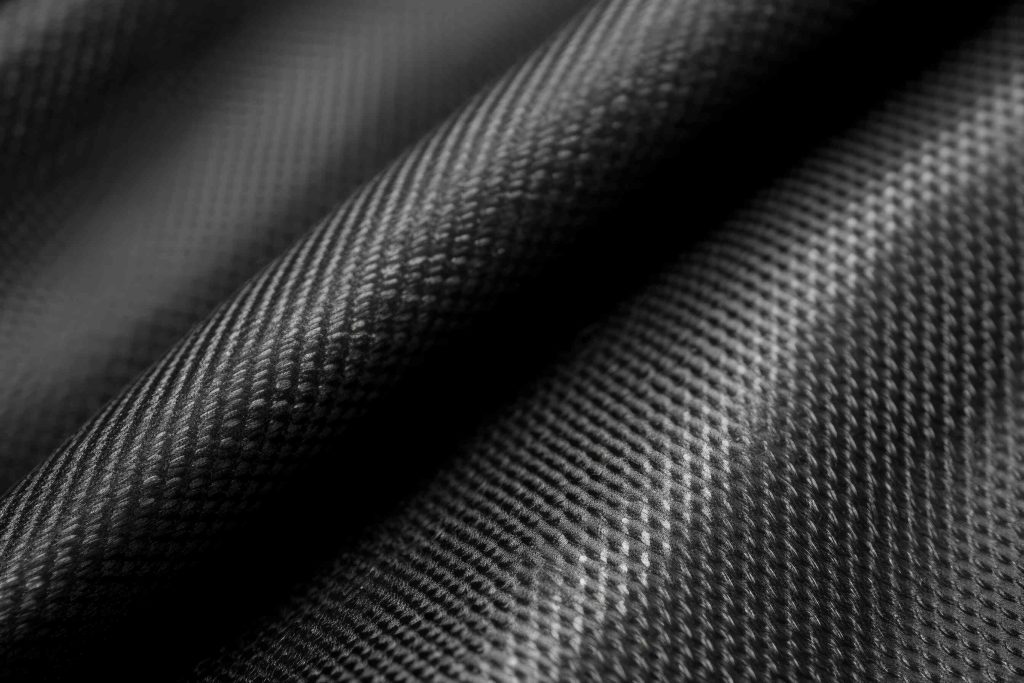
Nylon fabric is made from an artificial polymer engineered through a process known as polymerization. When it’s melted and drawn out into yarn, it’s then woven into a lightweight yet sturdy fabric that is efficient in withstanding water and wear. Initially, it was created as an alternative to silk, but later it gained prominence because of its strength and ease of maintenance.
Key Benefits of Nylon Fabric in Modern Usage
Nylon is loved for so many great performance features. It’s water-resistant, mold-resistant, and abrasion-resistant, making it perfect for activewear, backpacks, and outerwear. Its very slight stretch gives it comfort, and it doesn’t lose its shape or wrinkle easily, making it extremely handy for everyday use.
Understanding Ripstop Nylon Fabric and Its Applications
Ripstop nylon is built with a reinforced weave that stops tears from propagating, and therefore it is commonly used in tents, parachutes, and windbreakers. The perfect balance of strength and light weight puts it in a unique position in outdoor and performance clothing, where durability and lightness are both important.
Nylon Fabric: A High-Performance Textile Staple
Compared to the fashionable look of jacquard fabric, nylon is all about being rugged, simple, and highly flexible. You can see it in anything from exercise wear and coats to regular industry gear, all due to its incredible abilities like being water-resistant and elastic. Here we will discuss how nylon fabric is made, why it is so popular today, and some tips on variations like ripstop nylon.
How Nylon Fabric is Made and What It Consists Of
Nylon is basically a man-made polymer that is made out of petrochemicals, and it all starts with something called polymerization. Once they make the polymer, they heat it up and squeeze it out into long, thin strings, which they then weave together to create fabric. And believe me, this material is smooth, lightweight, and very strong considering its size! It initially showed up in women’s stockings in the 1930s, but now it’s a necessity for sportswear, swimwear, and other gear. And it hardly holds water and dries super fast, so it’s a lifesaver for outdoor activities.
Advantages of Nylon Fabric in Daily and Technical Use
Nylon textile is fitted with numerous benefits that make it perfect for style and practicality. It’s tough against wear and tear, and it doesn’t fall prey to mold or mildew, which is great if you’re out and about. Its stretchy nature lets it hug your body in garments like leggings and jackets, while its sleek feel keeps things looking sharp. It’s also simple to care for, just toss it in the washing machine and it dries quickly. These traits make nylon fitting for individuals living an active lifestyle or products that need to look decent while functioning under immense stress.
What is Ripstop Nylon Fabric and Why is It Unique?
Ripstop nylon is a specific form of nylon fabric that is created with serious durability. They manufacture it by intercrossing thicker yarns in a crosshatch pattern so that they form a grid structure that does not allow small tears to become larger. This light but tough build is what makes ripstop nylon an elite choice for items such as tents, kites, outdoor casings, and military gear. While it’s tough, however, it still is soft and flexible, allowing you to move around unencumbered. And it’s frequently treated to be water-resistant, as well, which makes it a profoundly useful material for any outdoor or military use where you’re going to want your gear to perform at its top.
Fabric Color: Techniques, Treatments, and Design Power
Color is not just about what color it looks—it’s also about how it feels. It’s also about how we treat the material. To get a solid, strong color on material means you must have a good concept of the chemistry involved in dyes, material composition, and treatment. In this lesson, we will learn how color is applied, how it is fixed, and how materials react to it.
How to Color Fabric Using the Right Dyeing Methods
Dyeing fabric starts with choosing the right dye that is suitable for your fabric material. With natural fibers like cotton, wool, or linen, you may usually use reactive or direct dyes. On the other hand, synthetic fibers like nylon usually work best with acid dyes. The following are some tips and methods for dyeing fabric effectively. Before dyeing, it is best to pre-soak your material to eliminate oils or residue. Then you’ll submerge it in a bath of dye, monitoring temperature, pH, and how long it is immersed. If you do it properly, you will have a pretty, even, and light color. This whole process unleashes creativity, allowing designers to experiment with gradients, tie-dye, batik, and every other type of creative technique to infuse their personal touch into fabric projects.
How to Set Fabric Color for Longevity and Durability
Once you’ve dyed your material, it’s very crucial to set that color so that it will not fade or bleed later on. Different materials need different methods to set the dye: salt and soda ash can be used for cotton, but silk and wool do best with vinegar. Synthetic fibers like nylon might need to be heat-set or chemically treated. Setting can involve steaming, microwaving, or soaking based on what you’re working with. Placing the dye correctly makes it adhere more strongly to the fibers so that even after washing and exposure to sunlight on many occasions, that color remains vivid.
Why Different Fabrics React Differently to Color Treatments
Every type of fabric has its own unique composition that dictates how it reacts to the addition of color. Natural fibers such as cotton and linen are excellent absorbers of dye since their surfaces tend to be so porous, thus producing dense, even colors. But synthetic materials like nylon can be trickier—these have smoother surfaces that will reject dye unless you prepare properly. Even if you’re working with blends, like a jacquard made of polyester and cotton, you might end up with patchy or two-tone results. Knowing how these materials will act can make a huge difference for designers and crafters working on their own, in being able to expect what they’ll get and not have any unpleasant surprises.
Ruibao Textiles: Jacquard Fabric, Nylon Fabric, and Fabric Color Designed for Performance, Precision, and Style
In contemporary fashion, Ruibao Textiles has your back for jacquard and nylon fabrics, and has a long list of vibrant, high-performance colors to accompany it. Having been in business for decades, they’ve learned to craft innovative solutions that are pleasing aesthetically but are also going to serve the practical demands of the contemporary world of fashion and interior design.
Every piece of Ruibao fabric is quality. From finely detailed jacquard weave to tough, functional nylon, they make it all. Ruibao fabrics are something you can rely on to create statement everyday wear, functional outerwear, or striking soft furnishings. For professionals, Ruibao fabrics are an instrument due to their blend of style, functionality, and superior construction.
Conclusion
It’s obvious why Ruibao Textiles is a favorite among professionals: their fabrics are dynamic, creative, and durable. You can rely on their expertly woven jacquard, high-quality nylon, and bold, lasting colors. For a trendy woven jacquard appearance, practical designs in reliable nylon, or bold alternatives in bold hues, Ruibao will be able to bring your vision to life.