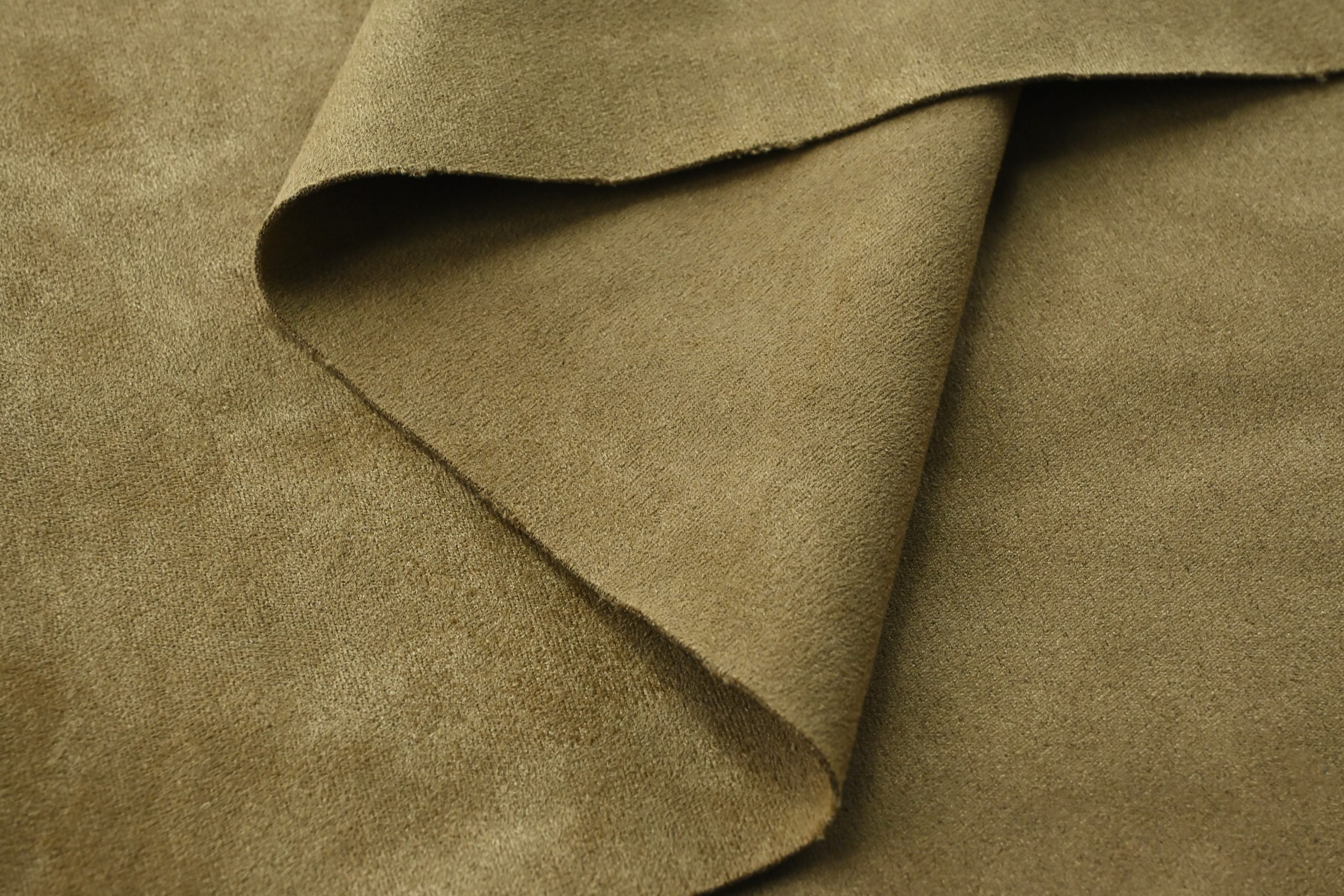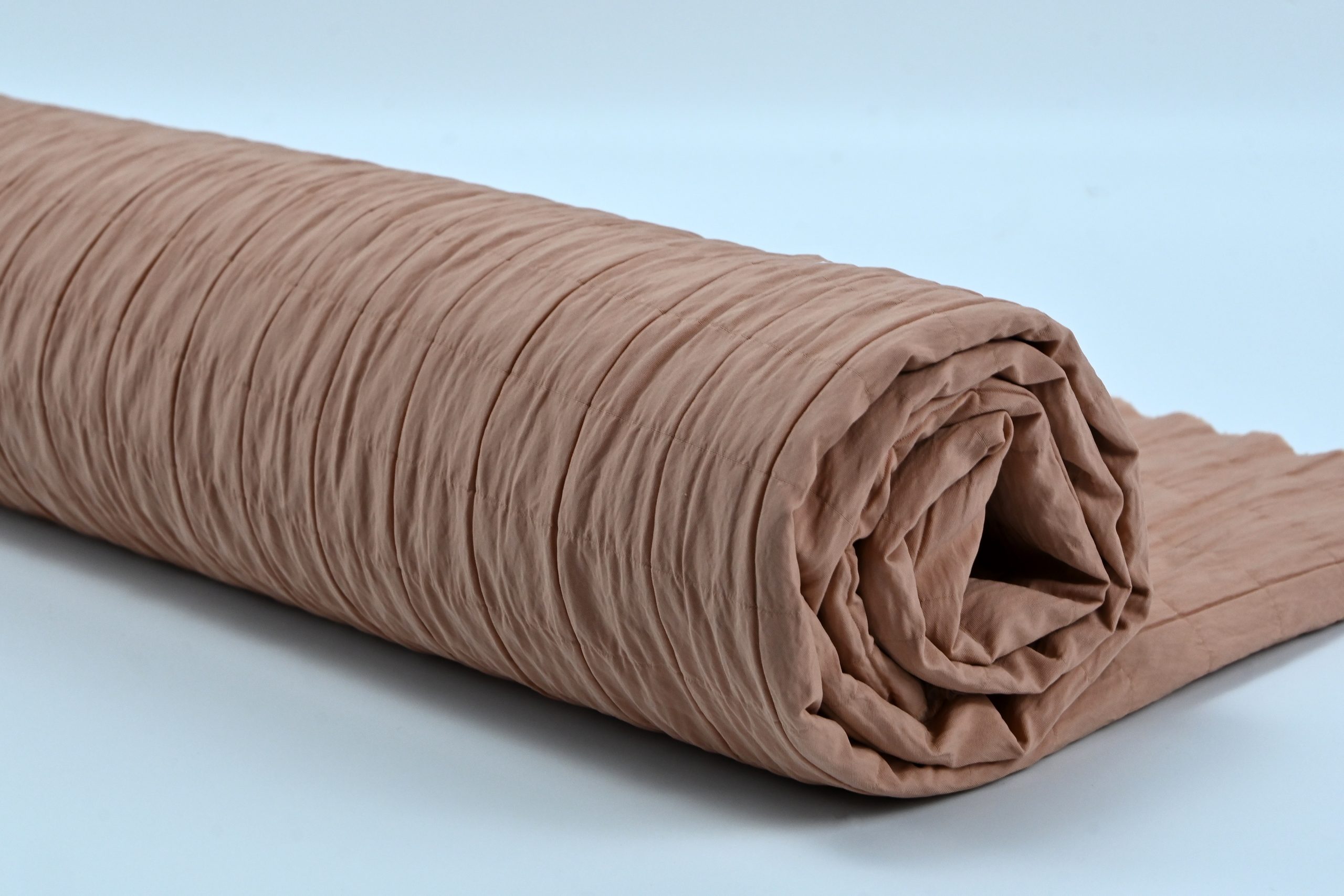


The most dominant factor in the fashion and textile sector is fabric color. It not only affects the beauty of apparel but also has symbolic and cultural implications, affects consumer psychology, and determines design trends. This blog will cover why fabric color is crucial, how it affects design, the psychology of colors, and the various factors affecting color decision-making in fashion and textile manufacturing.
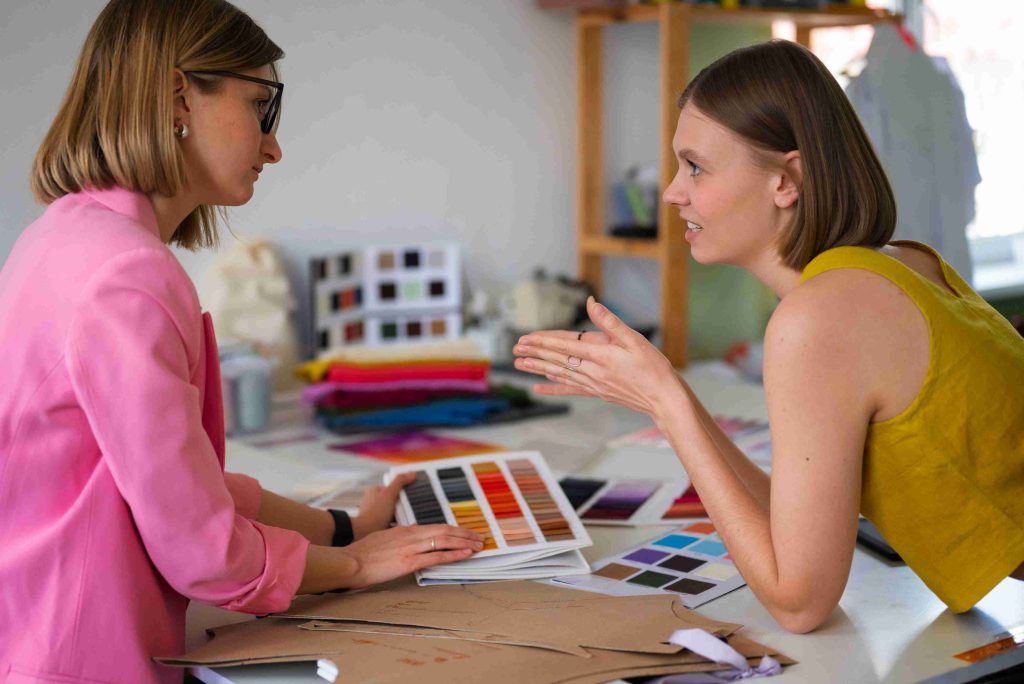
The Impacts of Fabric Color in Textile and Fashion Design
Color matters in all design. In textile design, color determines the style, mood, and texture of a fabric. Color sets the tone of the reception of fashion by consumers. Through bright colors or subdued tones, fabric color is one of the most influential variables that determine whether an apparel is trendy, classic, or seasonal. It is the first thing to attract the attention of the consumer, and therefore, it plays a very dominant part in textile designing and apparel production.
Role of Fabric Color in Fashion Trends
Fabric color is a determining aspect of seasonal fashion trends and extends beyond aesthetics only. Designers also possess their color palettes every season, which dictate what is going to be fashionable in the marketplace. For example, pastel colors are usually reserved for spring collections, and darker, more robust colors like navy, burgundy, and dark green are staples of fall and winter collections. The color of the fabric also contributes significantly to fashion trends, from the bright, neon colors of the 1980s to the minimalist, neutral color trend of the current fashion trend.
The Impact of Fabric Color on Consumer Behavior
It evokes some emotions, memories, and associations that can result in purchase decisions. For instance, the color red is universally associated with energy, passion, and power and hence its dominance in fashion statements. Blue is universally associated with calmness, reliability, and professionalism and hence highly popular for business attire and evening wear. Such information about color-folklore associations will enable designers to produce clothing that will resonate with consumers at an emotional level.
Cultural Significance of Fabric Color
Color has very strong cultural implication and symbolism, which in other cultures and regions of the world can be totally different.
For example, in most Western cultures, white symbolizes purity and new life and is worn at weddings and formal occasions. White is a mourning color and a color of death in the majority of Eastern cultures. Red, on the other hand, can also represent good luck and prosperity in China, but warning or danger elsewhere in the world. Both producers and designers should consider the foregoing cultural associations while choosing colors for export markets to prevent miscommunication and guarantee the product’s success.
The Psychology of Color: How Fabric Color Affects Mood and Perception
Fashion colors do not only mean something but also have profound psychological effects both on the wearer and the viewer. The various colors can affect the attitude and mood of a person and also the attitude of other people towards the person. The psychology of color is a useful piece of information for fashion designers in creating clothing to convey the right message.
Warm Colors and Their Emotional Effect
Warm colors are active and dynamic, and can generate energy and attention-grabbing desirability, and are best applied to apparel that must grab attention or be provocative. Red is purported to convey passion, power, and excitement, and that is the reason the color finds itself being used in evening wear and high-fashion collections. Yellow, a cheerful and optimistic color as well, can bring a smile to your face and is typically worn in spring and summer apparel. Cool Colors and Their Emotional Impact
Cool colors include blue, green, and purple.
They are relaxing and soothing. Blue is calming and professional and is typically worn in business attire, uniforms, and daily wear. Green, the color of nature and renewal, is used across the board for eco-fashion or collections that are designed to give a sense of relaxation and renewal. Purple, the color of sophistication, creativity, and luxury, is also used in high fashion for an elite, high-end style.
Neutral Colors: Timeless and Versatile
The traditional neutral colors are black, white, gray, beige, and brown, and these must be a part of every wardrobe. The following colors are usually employed as grounds or backgrounds for introducing bright accent colors for harmonious, balanced designs. White is presented as pure and simple and appears on evening wear and casual wear, and black is presented throughout as chic, elegant, and slimming, and therefore usually worn for evening wear and formal affairs. Gray, the black and white neutral compromise, is subtle and businesslike and therefore perfect for business wear and minimalism.
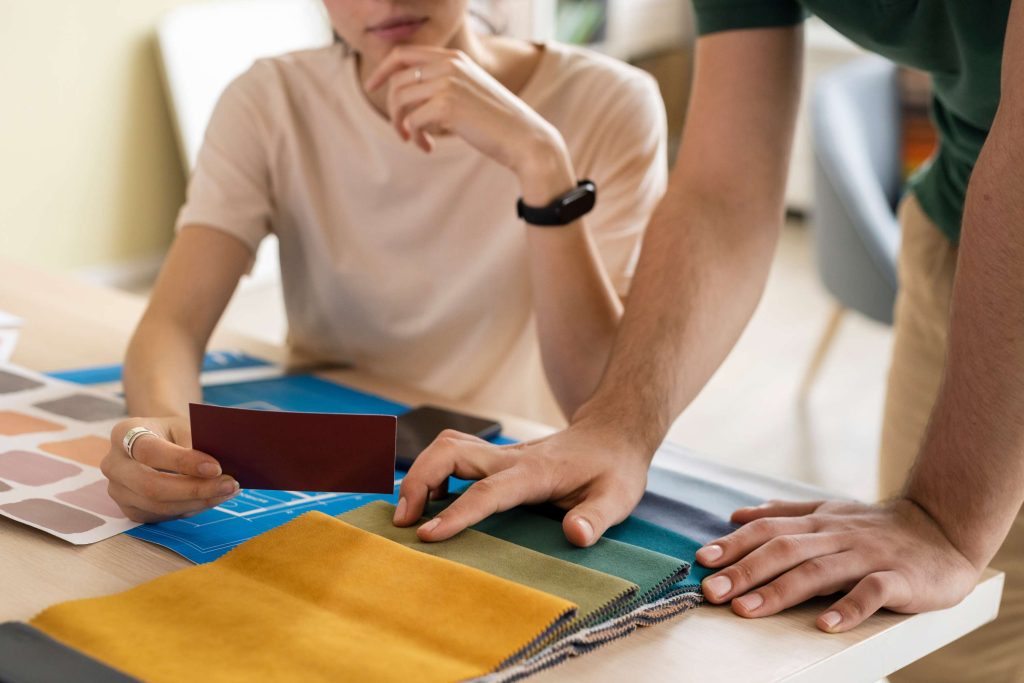
The Process of Dyeing Fabric Color: Techniques and Trends
Dyeing is the process through which textiles get their color, and it is one of the primary determinants of the color, texture, and general appearance of the textile. Over the years, a number of dyeing processes have been developed, each with its implications as well as potential for textile coloring. The dyeing process can also affect the final look of the fabric and whether it will be suitable for specific fashion applications.
Natural Dyeing: Revival of Sustainable Processes
Natural dyes obtained from plants, minerals, and insect dyes are in trend due to sustainability and eco-friendliness. Natural dyes are gaining more popularity these days as part of the overall revival for sustainable fashion. Natural dyes provide rich, deep, and beautiful colours ranging from blue to terre rouge to pale yellows. Though more time-consuming and expensive to produce, natural dyes are appealing to consumers who are looking for green fashion. Natural dye lots may also vary between batches, creating a unique, handmade character to the fabric.
Synthetic Dyeing: Brilliance and Consistency
Synthetic dyes, which are produced by chemical synthesis, offer a broader range of color and greater consistency than natural dyes. Synthetic dyes are most ideal in mass production because they are easier and cheaper to apply. Synthetic dyes also produce intense, durable colors that will not fade quickly.
However, the impact of the use of synthetic dyes on the environment, particularly water pollution and waste, has raised an alarm in the fashion industry. Hence, most companies are investing in research on how to develop safe, sustainable methods of synthetic dyeing.
Tie-Dye and Other Trending Cloth Dyeing Methods
Tie-dyeing is one of the biggest trends that has been dominating high-fashion and streetwear in recent times. It is a technique where a cloth is folded, twisted, and tied before dyeing, and the outcome is something remarkable and psychedelic patterns, depending on the folding, twisting, and tying done. Shibori and ombré are two more trend hand-dyeing methods that are new methods for designers to impart colours to garments. These techniques provide texture and dimension to fabric and are in great demand for contemporary fashion ranges.
Fabric Color in Some Different Textile Markets
The use of color in textiles differs among various markets and is determined by a range of variables such as local taste, cultural significance, and seasonal requirements. International fashion retailers must be cognizant of such geographical variations to be able to supply diversified markets.
Fabric Color Trends in Western Markets
Color trends for Western markets also shift seasonally. Spring and summer are dominated by pastels like lavender, mint green, and baby blue, but fall and winter bring in darker shades like charcoal grey, burgundy, and forest green. Neutrals like beige, ivory, and taupe are also fashionable year-round because they are classic and versatile. Understated color palettes with clean and simple lines are likewise favored by most Western consumers.
Fabric Color Options in Eastern Markets
Colors of textiles in China and Japan, the Eastern markets, are both an ancient cultural tradition and contemporary fashion. Red is a dominant color, symbolizing luck, prosperity, and festive occasions. White, although it’s a color of mourning under some circumstances, is worn for wedding gowns in China, for example. Soft color hues, i.e., off-white, gray, and indigo, are most prominently utilized traditionally in Japan, particularly in traditional clothing like the kimono, although the trend now is shifting to the limelight with more vivid colors.
Fabric Color Trends in Emerging Markets
The emerging markets in Africa and Latin America, for example, love vibrant, bold, and rich colors. These markets also share a long history of passion for fabric with bright colors, derived from nature, traditional art, and local culture. Bright yellows, oranges, reds, and greens are the colors of choice, reflecting the energy and vibrancy of these markets. Additionally, these markets are also adopting sustainable fashion trends more and more, which influences their dyeing of fabric and color choice.
Fabric Color: Environmental Impact and Sustainable Dyeing Practices
Fabric color is not merely an aesthetic aspect—it has an environmental history. From the dye itself to the application process, every step in the coloring process can affect the planet. As the textile industry becomes increasingly aware of its environmental responsibility, green dyeing techniques have emerged to reduce harm while creating rich, long-lasting colors. In this section, we’ll explore the eco-conscious approaches to coloring fabrics and how innovations are making dyeing more environmentally friendly.
Eco-Friendly Alternatives to Dyeing for Conscious Design
Green dyeing begins with the selection of dyes that are least damaging to the environment. Plant, mineral, and even insect-based natural dyes offer a sustainable alternative to petroleum-based synthetics. These natural dyes are biodegradable and produce less toxic waste runoff. Technologies like low-water immersion dyeing, cold batch dyeing, and the use of fiber-reactive dyes in effective systems can also reduce water and energy consumption. Designers who employ these methods can minimize their carbon footprint when producing beautiful, unique pieces of inherent value.
Minimizing Waste and Pollution in Dyeing
Traditional dyeing techniques produce huge quantities of wastewater with chemical residues. Sustainable practice works to minimize waste in terms of chemical residues through recycling dye baths, eliminating off-run, and using closed-loop systems that recycle water. New technologies like digital printing and waterless dyeing technology are gaining importance, which yields accurate color deposition with zero or negligible waste. These technologies allow manufacturers to act on environmental concerns and attract environmentally conscious consumers who are concerned about sustainability in clothing.
Balancing Color Quality and Environmental Responsibility
One of the environmental issues of sustainable dyeing is achieving colorfastness and color luminosity without any toxic fixatives or chemical binders. Green chemistry has offered plant mordants and bioengineered dyes, just as good as the traditional ones. When used responsibly, they can create rich, durable colors with less damage to nature. As the need for sustainable fashion grows, striking the balance between beauty and accountability is an impetus for textile technology.

Ruibao Textiles: Fabric Color Engineered for Brilliance, Consistency, and Endurance
In terms of color, Ruibao Textiles is unparalleled in its experience with dyeing technology and coloring. The company’s approach is deeper than outward looks—every shade is formulated to realize high levels of brilliance, evenness, and durability for a long period of time. From clothing and fashion garments to interior upholsteries, as well as technical textiles, Ruibao’s fabric colors are formulated to deliver optimally across various materials and applications.
Ruibao shade-on-shade color treatments are the result of careful formulation, with the combination of advanced dye chemistry and a deep understanding of fabric dynamics. The company offers a broad range, from vibrant primaries to soft earth colors, each crafted for optimum lightfastness, washfastness, and visual uniformity. In colors specially formulated for jacquard, nylon, and mixed fibers, Ruibao enables designers and makers to be confident that colors will stay rich, project after project.
Conclusion
The color of cloth remains a dynamic and driving force in textile and fashion design, from influencing consumer buying decisions to cultural iconography. As color trends evolve, designers and producers must keep their finger on the pulse of consumers’ shifting tastes and values, ensuring their fabric choices engage both the eye and the emotions. Be the colors are bright, bold, and overtly noticeable or neutral and tastefully subtle, textile color is here to stay and will remain a dominating force for style in years to come.
Visit our website at Guangzhou Ruibao Textile Co.,ltd, for global fabric customers, applied to clothes and bags, located in Guangzhou, China. Factory Place of production: Zhejiang, Jiangsu, Shengze. To learn more.