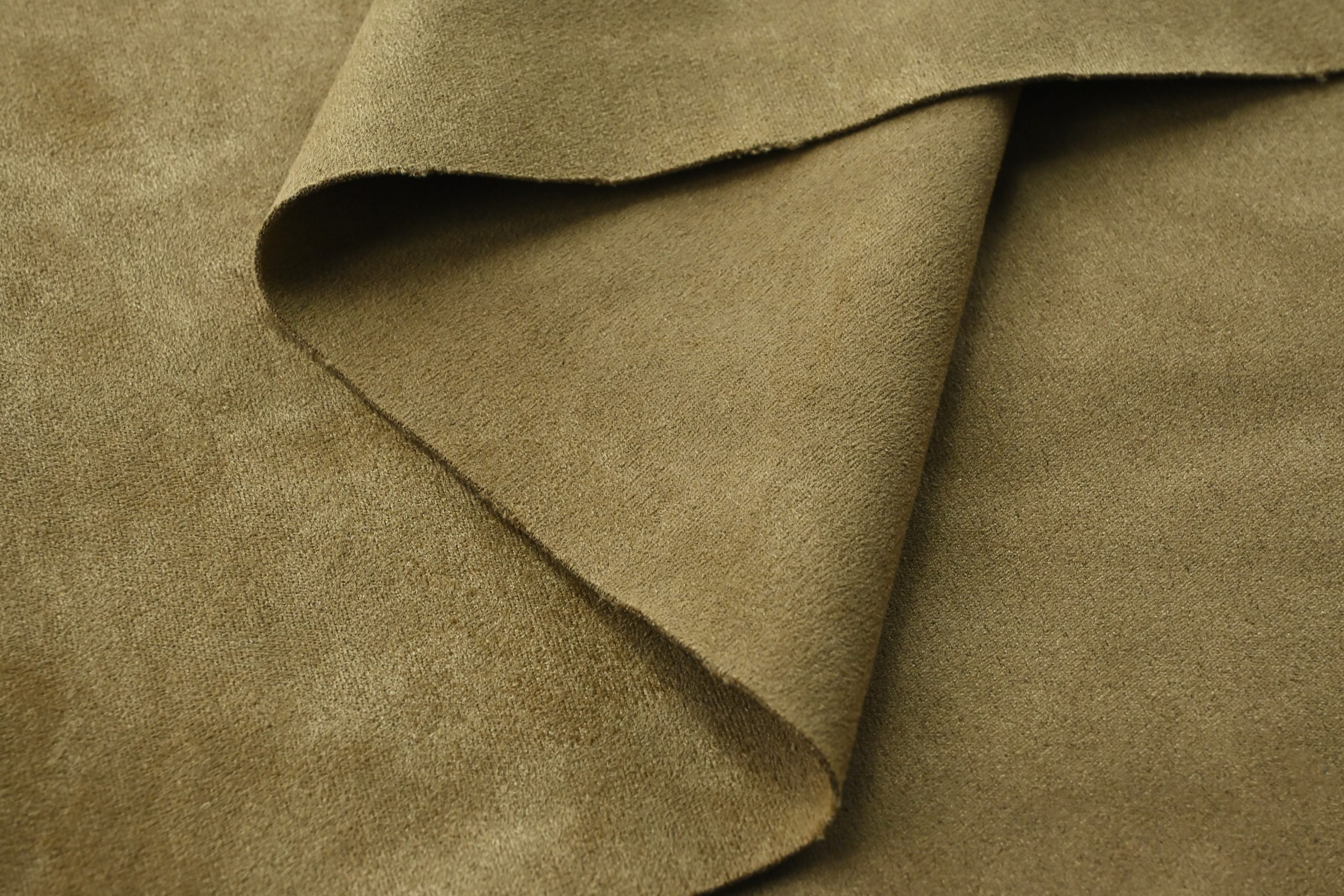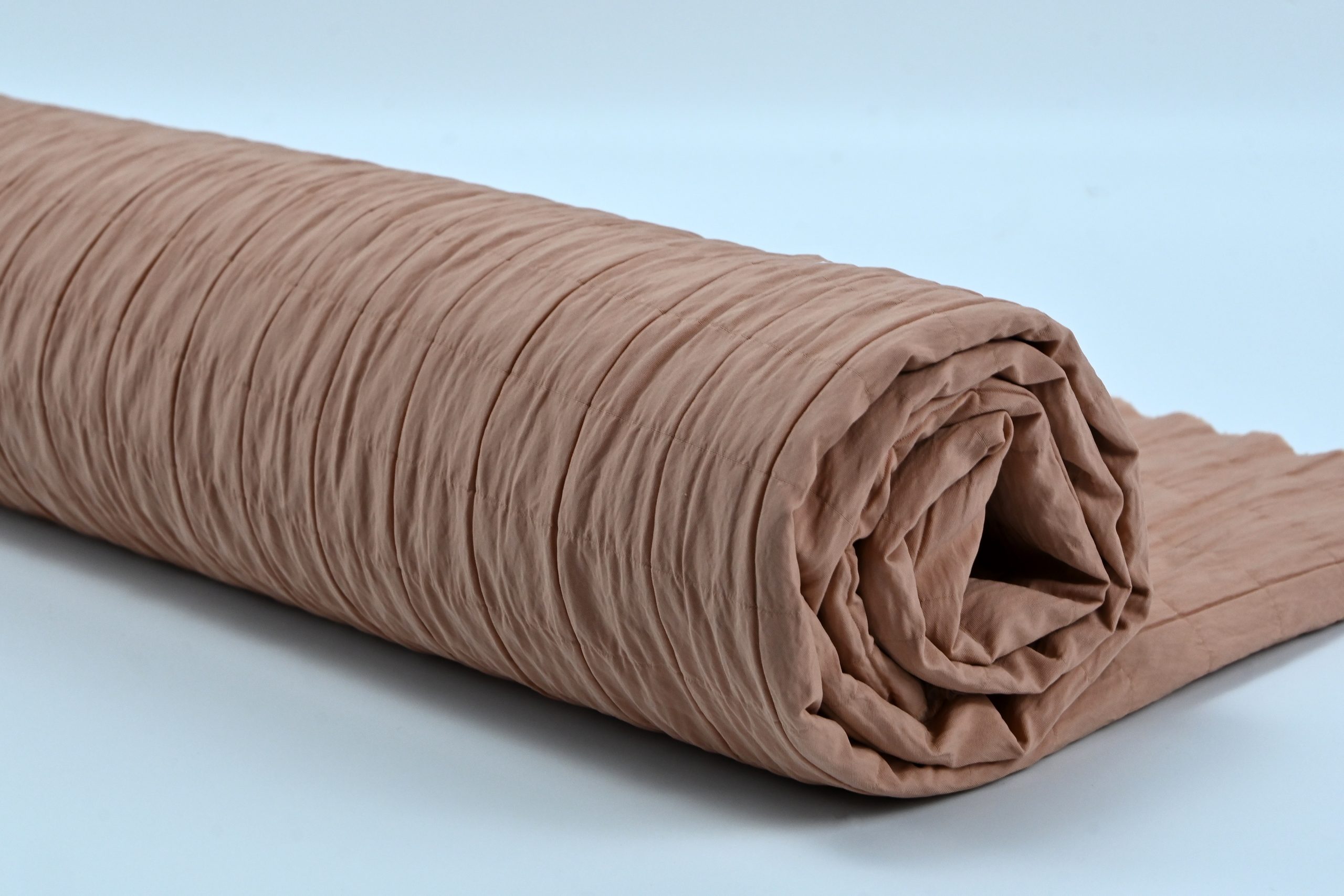


Nylon has transformed the bag industry. This quality material produces long-lasting and appearance-good bags. Bags and backpacks must be strong but light. Nylon does this perfectly. It is feasible through modern technology in the production of nylon. Good fabric is the beginning of good bags. How nylon is produced influences all that has to do with the end product. Nylon is found everywhere, starting with school bags, to costly handbags.
We can more effectively produce better bags by learning about nylon production. Nylon manufacturing has evolved, and this process has led to the production of long-lasting, stylish bags, which are being appreciated by customers. The sophisticated technology in the production of nylon today gives designers the chance to design bags that were never possible only decades ago.
What Makes Nylon Perfect for Bags and Backpacks
Strength and Durability
Nylon fabric is very strong. It can support bulky things. This strength is required to hold books and laptops in backpacks. Nylon is not easy to wear out. This means bags last longer. Customers desire bags that can survive everyday. This durability is produced by good nylon production.
Nylon has a great tensile strength due to its molecular structure. When the nylon process is under the watch of manufacturers, they produce fabrics that are resistant to abrasion as well as tearing. This longevity is directly attributed to increased bag longevity and satisfied clients who would not be forced to buy bags often.
Lightweight Comfort
People do not like heavy bags. Nylon is light but strong. This causes bags to be easy to carry. Light bags are required by school children as well as travelers. In the contemporary manufacturing of nylon, there is a lightweight but more efficient fabric. The right nylon material is comfortable on the shoulders.
The development of new manufacturing methods of nylon produces fabrics with the best weight-to-strength ratios. It is now possible to make ultra-light nylon fabrics that manufacturers can still achieve with amazing durability. This balance plays a significant role in the daily bags carried by people during the day. Use of comfortable bags will ensure that the customers will use them more frequently and refer them to others.
Water Resistance and Protection
Rain can destroy bags and what is in them. Nylon is resistant to water by nature. High-level manufacturing brings additional security. This makes phones, books, and clothes dry. Quality nylon manufacturing produces water-resistant surfaces. Even a few nylon items are resistant to stains and dirt. This renders bags more convenient to wash.
Modern production nylon encompasses special coatings and treatments that make the nylon water-resistant without gaining weight. Other high-technology versions of nylon can repel water and allow breathability. This protection is significant in outdoor bags, travel backpacks, and other everyday carry items that have to go through the weather conditions.
How Nylon Production Has Changed Over Time
Early Days of Nylon Manufacturing
Nylon was first made in the 1930s. Initial manufacturing was inexpensive and slow. Machines were rudimentary and had limited colors. The quality of different batches was different. Bags of that period had a limited life. Since then, the technology has been enhanced significantly.
Nylon production’s early techniques were random and small-scale. Manufacturers had a problem with color consistency and variation of fabric strength. These restrictions dwelt on the possibilities of bag design and durability. This history explains why the current manufacture of nylon is such a big breakthrough in the industry.
Modern Nylon Production Technology
The modern nylon manufacturing involves intelligent machines. In the production of nylon, computers are in charge of all processes. This means that there is uniform quality. The contemporary factories produce nylon more quickly and efficiently. There are numerous colors and textures with the technology. This provides the designers with more choices in beautiful bags.
The further development of nylon production has produced fabrics using old techniques. Automated dyeing and computer-controlled looms are used to ensure complete consistency. Computerized monitoring follows all the parameters of nylon production, such as temperature and tension. Such accuracy implies that each meter of fabric is of precise specifications. Brands have the benefit of reliability in quality in large orders, which creates customer confidence and lessens returns.
Innovation in Weaving Techniques
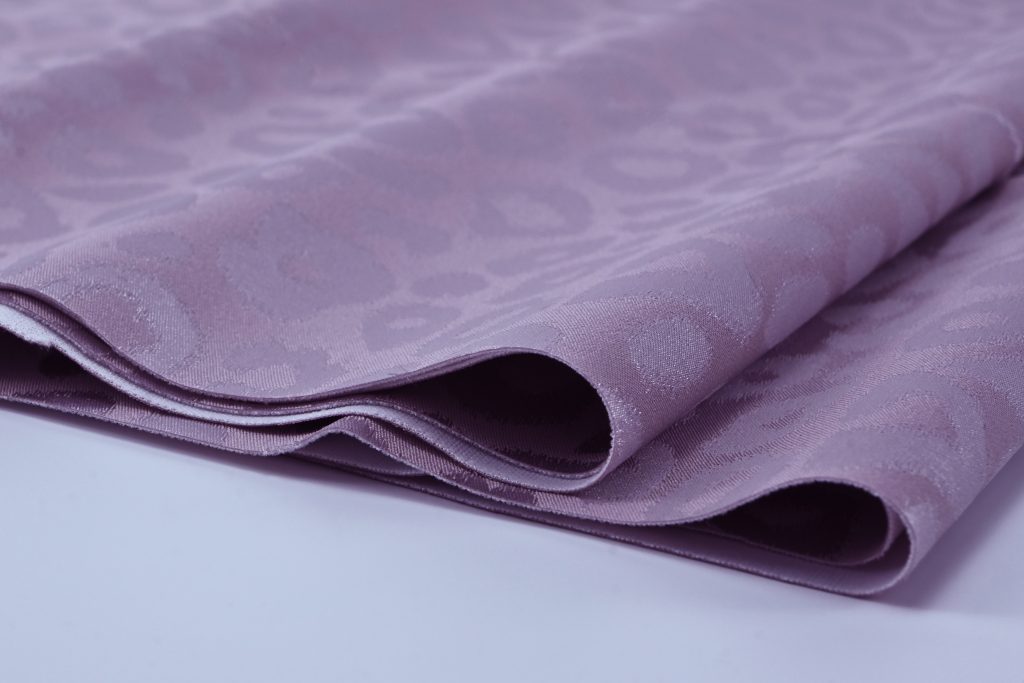
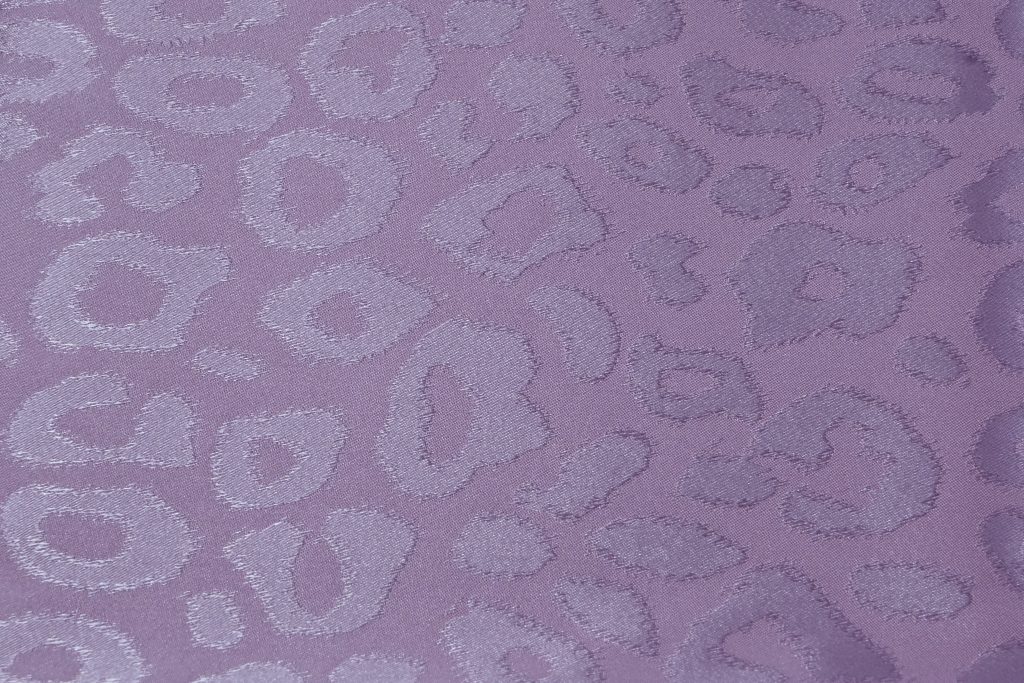
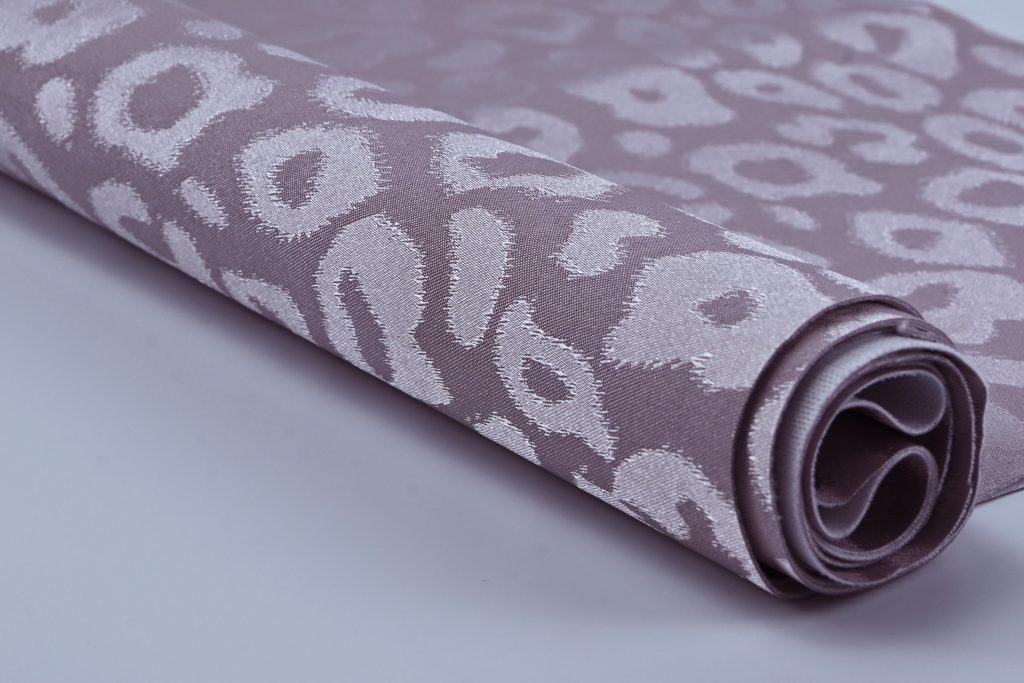
The manner in which nylon strands are woven is very important. Close weaving produces stronger weaving. Soft bags are produced by loose weaving. Patterns can be altered rapidly in modern-day looms. This enables one to have varying bag styles in the same material. Finer nylon manufacture implies fine weaving. This forms bags that are of the ideal texture and strength.
Advanced technologies in weaving allow complicated patterns and textures that facilitate appearance and functionality. Modern nylon fabrics are also used to produce bags with diverse textures and performance behaviors in various localities because, in one piece, they use a different weave pattern. The innovation is a direct result of the increase in the capabilities of producing nylon.
Quality Control in Nylon Manufacturing
Testing for Strength and Safety
Good bag manufacturers experiment with nylon fabric. They drag the cloth to test its strength. They experiment with the behavior they have with water and fire. All bags have to meet safety standards. Nylon production is characterized by numerous tests on quality. Such tests check the safety of bags on a daily basis.
Each batch is subject to intense testing regulations, which test tear strength, seam slippage, and color fastness. These tests ensure that faulty material does not find its way to bag assembly lines. The quality control in the manufacturing of nylon spares the brands the expensive process of recall and damaged reputation. Customers have faith in nylon fabrics that make the bags and that have undergone proper tests.
Meeting International Standards
There are various countries with varying baggage regulations. Others require fire-resistant materials. Some also need green production. The good production of nylon is in accordance with all these rules. Certifications demonstrate that the fabric is up to standards. Manufacturers who are aware of these requirements are trusted by the brands. The right manufacture of nylon guarantees the world.
Such international standards as OEKO-TEX, REACH, and BSCI involve close compliance with manufacturing regulations. Old nylon manufacturers have elaborate records of each batch of production. This traceability is particularly important as the world regulations become stricter. Brands require partners that are aware of such convoluted requirements.
Color Fastness and Appearance
Bags do not fade away when washed. This is tested by color fastness. Good nylon maintains its color after a lot of washing. The cloth must be pleasant over a long period. Contemporary production is a control of colour. This creates bags that last longer and are beautiful. Nylon production of high quality will make a permanent impression.
The dyeing methods developed make the color permanent in the nylon. This helps to avoid fading even following successive exposure to sunlight and washing. The consistency of color in the large production runs maintains brand identity. When the bag colors are observed remaining vibrant with time, customers will cultivate loyalty to the brand, buying from them again.
Sustainable Nylon Production for Eco-Friendly Bags
Recycled Nylon Options
The world requires products that are environmentally friendly. Nylon recycling involves the use of old plastic bottles. This minimises wastage and conserves resources. A good number of customers desire green bags. Good manufacturers provide recycled products. Recycled materials can be well used in the production of modern nylons. This produces bags that are environmentally friendly.
The production of recycled nylon has been enhanced remarkably, and it performs just as well as virgin nylon, in addition to having less impact on the environment. Sustainable options are no longer limited to compromising quality, thus brands can now provide sustainable alternatives. This will attract the major consumers who are environmentally friendly and do their research before buying anything.
Reducing Environmental Impact
Production of nylon consumes water and energy. The impact of this is mitigated by new technology. The use of better machines consumes less power. Clean water is conserved in the water recycling systems. Green dyes are less hazardous to human beings and the environment. There is a responsible nylon production that is environmentally conscious.
This is important both to customers and brands. Current facilities use closed-loop water and solar energy to reduce their carbon footprint. Such eco-friendly activities in nylon manufacturing appeal to luxury brands that want environmentally friendly partners. The market values the investment in green technologies made by manufacturers.
Certifications for Green Manufacturing
Eco-certifications are sustainable. These demonstrate true interest in green production. These are some of the marks that customers seek in the purchase of bags. Brands should have suppliers who are certified appropriately. Good nylon manufacturing is in compliance with the environment. This creates confidence among environmentally conscious consumers.
The environmental claims are certified by such marks as Global Recycled Standard (GRS) and Bluesign. These qualifications are becoming more important with the advent of competitive markets, where consumers investigate the ethics of brands. Production of sustainable nylon is not only good for the planet, but it is also a good business practice that will appeal to high-end customers.
Why Choose RuiBao Textile for Your Nylon Fabric Needs
RuiBao Textile is the best at quality nylon in bags and backpacks. Our company is 20 years old in the business of making woven fabrics. We regulate each process, starting with weaving, to finishing. In our large workshop, there are modern machines, which produce 300,000 meters a month.
Having 5 million meters at hand, we deliver when you want it. Our collaboration with 300 leading brands on the global market is because we provide one-stop solutions. We have stringent quality inspections to make sure that your nylon bags will be strong and beautiful. Select RuiBao due to quick delivery, the customization of the order, and fabrics that comply with all global requirements.
Conclusion
The technology of producing nylon has transformed the production of bags. The current processes produce fabrics that are rugged, light, and waterproof. Quality control is a guarantee of safety and life. Eco-friendly options are available through sustainable practices. These processes are useful in enabling brands to create better products. Some nylon material is what separates mediocre bags from extraordinary ones.
Due to the development of technology, the nylon bags will be improved even further. Manufacturers should keep abreast of the modern way of production. The knowledge assists in developing bags that are loved and trusted by the customers. RuiBao Textile has the right experience, quality, and service that would make businesses that require partners in nylon fabric very successful in the current competitive environment.
Frequently Asked Questions
Q: What is the impact of the production of nylon on the quality of the bags?
A: The strength, weight, and water resistance are dependent on the production of nylon. Quality manufacturing brings about a stable and long-lasting textile that forms long-lasting bags that clients can rely on in their day-to-day lives.
Q: What certifications would I want on nylon fabric?
A: Find such international standards as OEKO-TEX and BSCI. Bags used by the general population require fire resistance certificates. Good manufacturers inspect every batch of goods before delivery.
Q: Are nylon bags environmentally friendly?
A: Recycled nylon consumes plastic waste. The contemporary production decreases the consumption of water and energy. Request suppliers on their environmentally friendly activities and certification in order to be greener.
Q: What is the lifespan of good nylon fabric?
A: Well-crafted nylon bags have a long lifespan. The fabric is tearproof, fade-resistant, and waterproof. Production technology is good in that it produces materials that can withstand the daily wear but do not change their appearance.