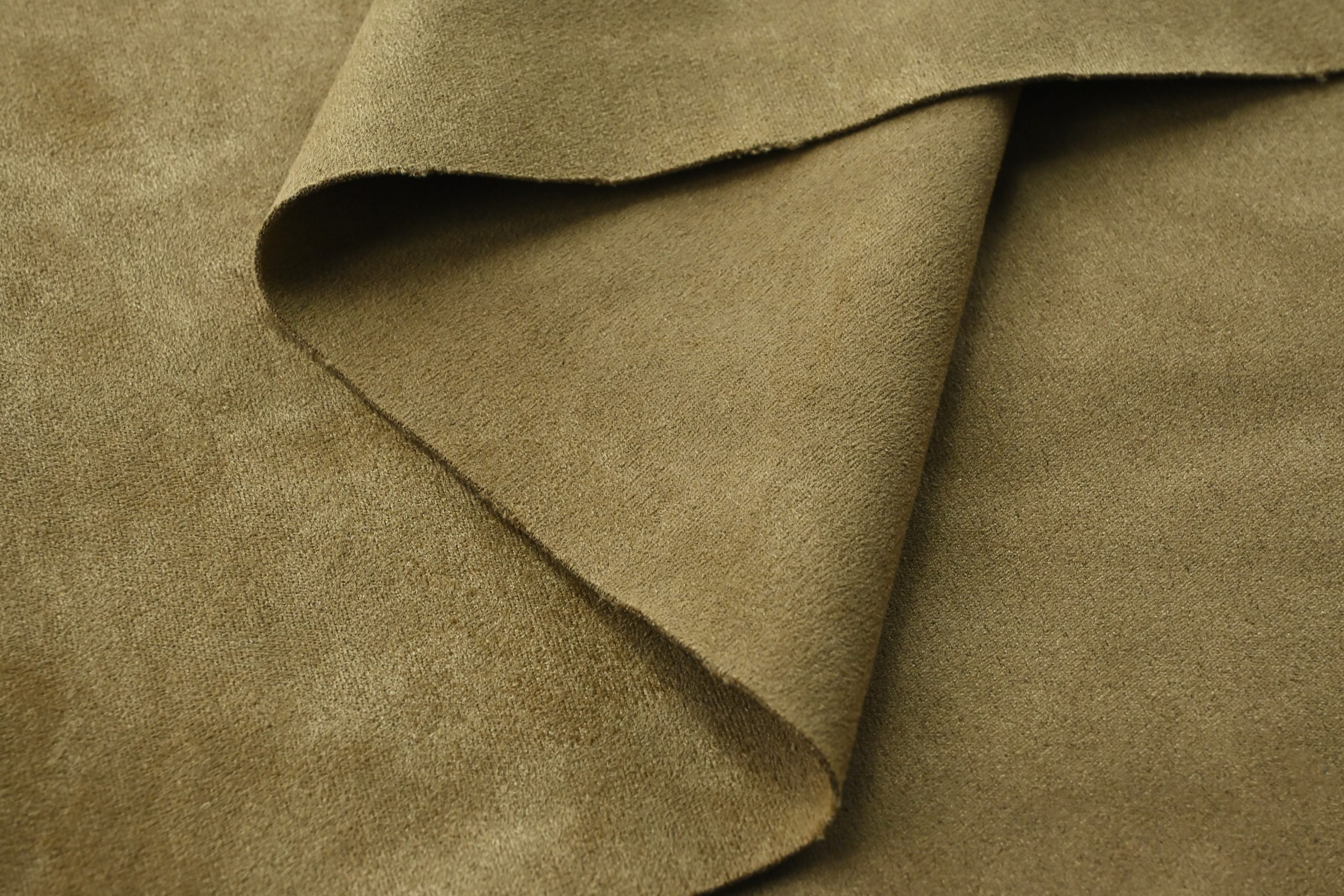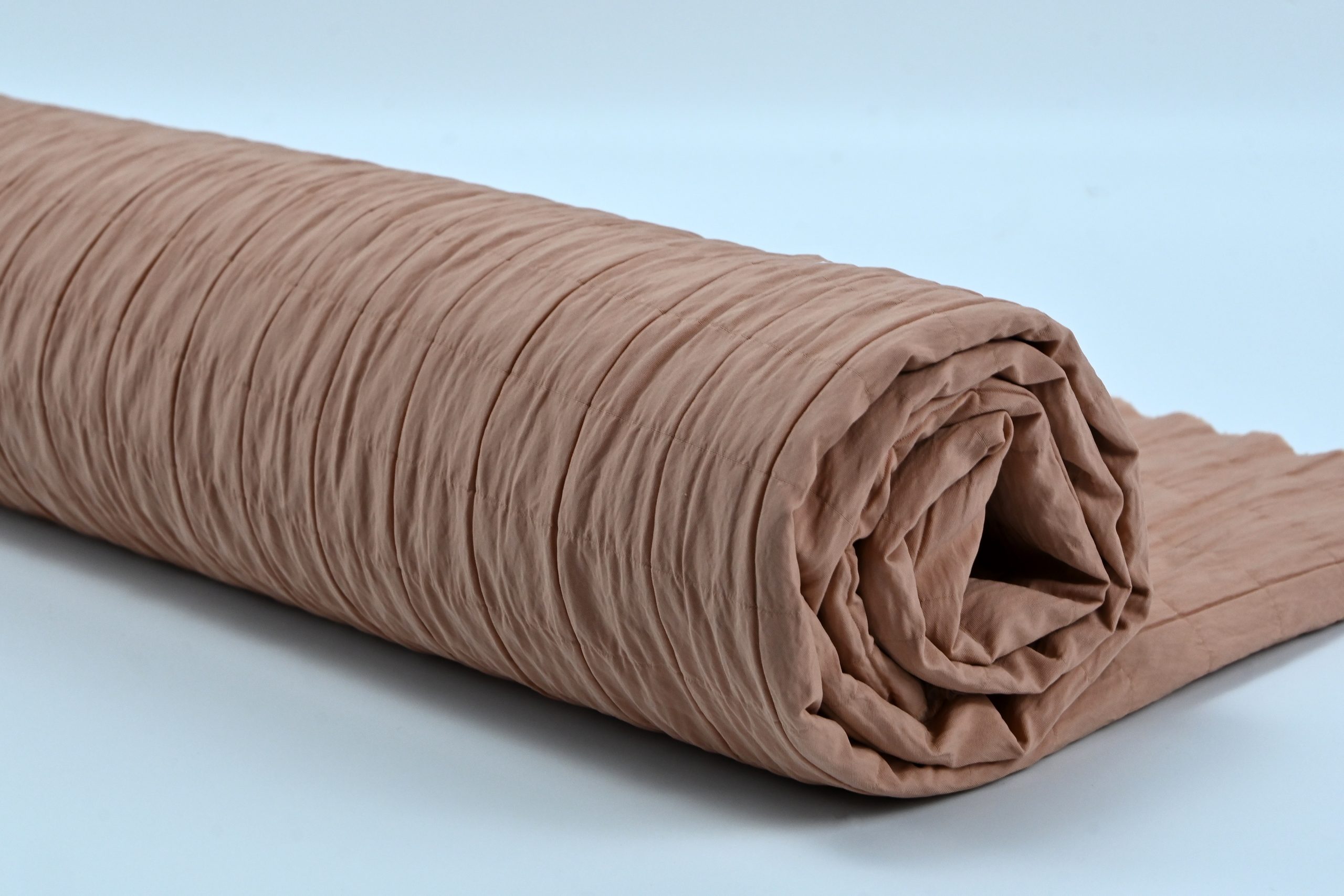


In today’s fast-evolving textile industry, innovation is not just a competitive advantage—it’s a necessity. Composite fabric is an excellent example of modern technology because it brings together various good qualities from different materials to make a tough and advanced textile. Both rocket ships and everyday shirts now have new possibilities because of composite fabrics.
What is really meant by composite fabric? How is machine learning brought into action, and why is it gaining popularity? In this comprehensive guide, we’ll explore the science behind composite materials, their unique properties, and how they’re shaping the future of manufacturing, fashion, and beyond.
Before finishing this piece, you will understand both what a composite fabric is and why it matters, as well as why RuiBao Textile Co., Ltd is making a difference in the worldwide fabric business.
Understanding Composite Fabric: Definition and Composition
A composite fabric is a textile formed by joining several materials to get a better result than the materials on their own. The fibers found often are polyester, nylon, carbon fiber, or Kevlar, and they are adhered to each other using resin, adhesives, or similar binding materials.
The Science Behind the Strength
Synergy is used in composite fabrics so that each part adds its best qualities to the finished item. For example:
- Carbon fiber provides exceptional tensile strength.
- Epoxy resin adds rigidity and resistance to heat.
- Nylon offers flexibility and durability.
As a result of using these materials together, the fabric is resistant to moisture, UV rays, and abrasions without losing its sturdy or light nature.
Therefore, composite fabric works well when stemming disasters, and long-term durability is key, such as with protective gear and vehicle interiors.

Why Composite Fabrics Are Revolutionizing Modern Industries
Because composite fabric can be used in a lot of ways, it is important in many industries. Now, let’s see some of the main ways these technologies are used.
Aerospace and Defense
Being light and strong is extremely important in aerospace. Because they are reliably strong and light, composite textiles are suitable for planes, aircraft parts, and astronaut suits. Because they can handle great changes in temperature and pressure, aircraft stay safe and operate with no problems.
Automotive Industry
Vehicles today use more and more composites for upholstery, insulation, and car panels. Using these materials makes cars lighter, saves fuel, and cuts emissions, which are major goals in making transportation more environmentally friendly.
Sports and Outdoor Apparel
Because athletes and adventurers rely on working under stress, they use gear made to handle tough situations. Wearers of active sportswear benefit from the use of composite fabrics, which are breathable, draw perspiration away from the skin, and last for a long time. Whether it’s a hiking jacket or a racing suit, these fabrics enhance comfort and endurance.
Medical Applications
Medicine uses composite fabrics for orthopedic supports, compression garments, and supports placed inside the body as implants. Staying on the skin for a long time is safe with silicone, and it also does not trigger allergies because of how hypoallergenic it is.
Types of Composite Fabrics and Their Unique Properties
Some composite fabrics are better than others. Because of the different materials and uses, several kinds of composite fabrics exist.
Woven Composites
You make woven composite fabrics by weaving several kinds of fibers in a specific way. The fabric gains more strength, and it holds its shape well due to this type of knitting. RuiBao Textile leads in woven composites, reaching perfection through the use of the latest dyeing and finishing processes.
Non-Woven Composites
Such fabric is formed by combining fibers together with the help of chemicals, machines, or heat. Many disposable goods, such as filtration systems and insulators, make use of them because they are both affordable and flexible.
Hybrid Composites
In hybrid composites, different fibers (for example, glass and carbon) are used to give the material both strength and flexibility, as well as an affordable price. They offer more benefits for industries with performance standards that are unique, such as marine and construction.
The Manufacturing Process: From Raw Materials to High-Performance Fabric
Making a composite fabric needs careful work that brings together classic methods with the latest technology. This is a concise description of how it all works:
Step 1: Fiber Selection and Preparation
The base of any composite fabric is made from excellent-quality fibers. Depending on the type of result needed, these can be natural (such as cotton) or synthetic (such as polyester).
Step 2: Weaving or Laying Up the Base Fabric
The base fabric is created by manufacturers using the latest looms and weaving equipment. At this stage, RuiBao Textile Co., Ltd. brings in automation to ensure quality is always consistent.
Step 3: Resin Impregnation and Bonding
The base fabric is then treated with materials such as resins or adhesives, which are called impregnates. At this point, you figure out the stiffness, elasticity, and strength of the material against external forces.
Step 4: Curing and Finishing
The impregnated fiber is then placed in a special chamber and treated under a given time, pressure, and temperature. Post-curing and other processes, such as waterproofing, flame retardancy, or UV protection, are done to make the products work better.
Step 5: Quality Control and Testing
Every batch of medicine is checked for compliance with international guidelines before being sent. RuiBao Textile Co., Ltd has a separate team that tests every fabric sample to make certain the goods are of the highest quality.
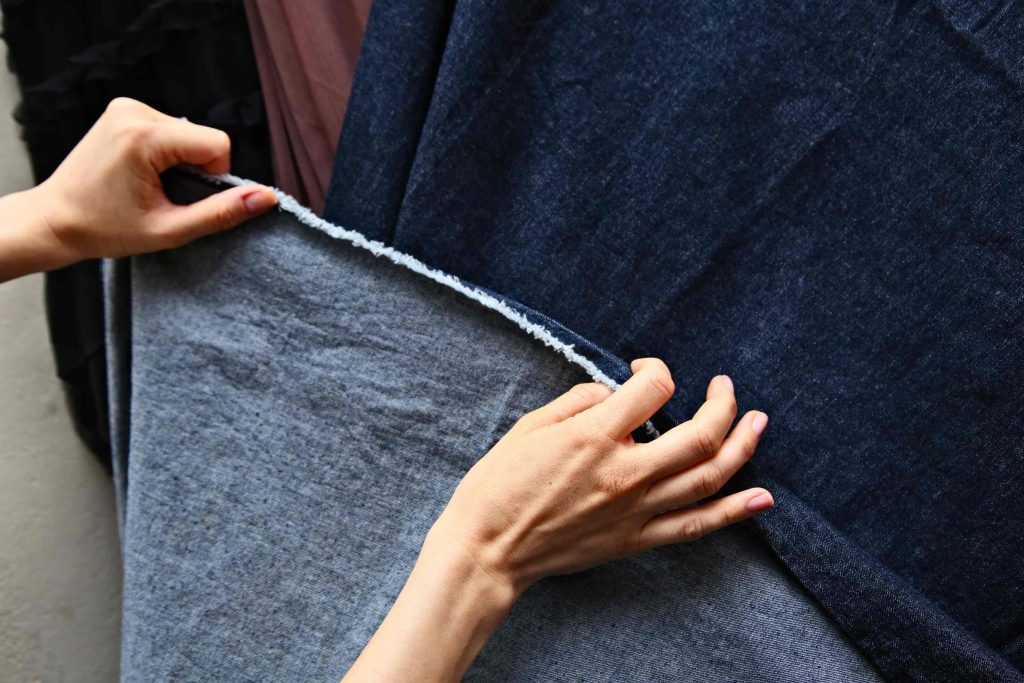
Why Choose Composite Fabric Over Traditional Materials?
Many important features make composite fabrics superior to usual textiles.
Superior Strength and Durability
Since composite fabrics are made of several layers, they are very strong and resist tearing, stretching, and abrasion much better than other types.
Lightweight Design
Composite fabrics are very strong but still lightweight, which is very useful for tasks where weight needs to be minimized, such as in aviation and sports equipment.
Enhanced Resistance to Environmental Factors
Exposure to UV and chemicals does not damage composite fabrics, which gives the materials used with them more durability.
Customization Capabilities
Manufacturers can change the properties of composite fabrics to suit what is needed. Different levels of flexibility, improved insulation, and better looks are all possible through customization.
Introducing RuiBao Textile Co., Ltd – Your Partner in Advanced Fabric Solutions
Trust and expertise are very important when choosing high-quality composite fabrics. In 2004, RuiBao Textile Co., Ltd was set up and is now a top producer of woven and composite fabrics, supplying clients in many parts of the world.
Thanks to its facility, which covers over 5,500 square meters, RuiBao combines years of knowledge with new technologies to offer the best textile services. Our monthly production is 300,000 meters, and our warehouse inventory is 100,000 meters, which ensures a smooth and timely supply.
What Sets Us Apart?
- Innovative Production Techniques: We utilize advanced weaving, dyeing, and finishing processes to produce fabrics that meet international standards.
- Rigorous Quality Assurance: Every product undergoes extensive testing to ensure compliance with fireproofing, physical, and chemical resistance requirements.
- Flexible and Responsive Supply Chain: With over 50 sets of machinery and a streamlined logistics system, we adapt swiftly to changing demands without compromising quality or delivery timelines.
- Global Reach: Our products are exported to various countries, meeting diverse regulatory certifications and customer expectations.
Whether you’re in the market for standard textile solutions or require custom-engineered composite fabrics, RuiBao Textile Co., Ltd is your trusted partner in innovation and excellence.
Frequently Asked Questions (FAQs)
What constituents are used to make composite fabric?
To make composite fabric, manufacturers usually mix two or more substances, such as fiber (for example, polyester, carbon, Kevlar) and binding agents (resins or adhesives). The two blends together improve the strength, durability, and useful qualities of the material.
What are the most important features of using composite fabric?
So, composite fabrics have a greater strength-to-weight ratio, better defense against environmental stresses, can be altered to your needs, and last for a long time in comparison to regular textiles.
Which industries make the most use of composite fabrics?
They are chosen in industry, sports apparel, medical gear, aviation, and automobiles because their stability and performance matter a lot there.
Can RuiBao Textile Co., Ltd make custom composite fabric products?
RuiBao has flexible manufacturing and can make fabrics that meet what clients need in terms of color, texture, and features they desire.
How does RuiBao keep products of good quality?
A specialized department performs physical and chemical checks on each fabric to make sure it fulfills international requirements and certificates.
Can you get samples from RuiBao before ordering something?
Absolutely. Prospective clients are encouraged to get samples so they can see if the fabric will work well for their needs.
How fast can RuiBao handle big production volumes?
Being able to make 300,000 meters each month and with a lot of stock in our warehouse, we are qualified to deal with large orders and offer speedy delivery.
Conclusion
Because industries expect performance, sustainability, and customization, composite fabric is now a leading textile innovation. Because it is strong, light, and flexible, aluminum has many uses today.
As well as following these developments, RuiBao Textile Co., Ltd is leading the process. Because of its devotion to good quality, new ideas, and satisfied customers, RuiBao is growing in importance worldwide.
If you’re looking for reliable, high-performance composite fabrics tailored to your business needs, look no further than RuiBao Textile Co., Ltd. Explore our full range of products and services on our website, and discover how next-gen materials can elevate your brand.