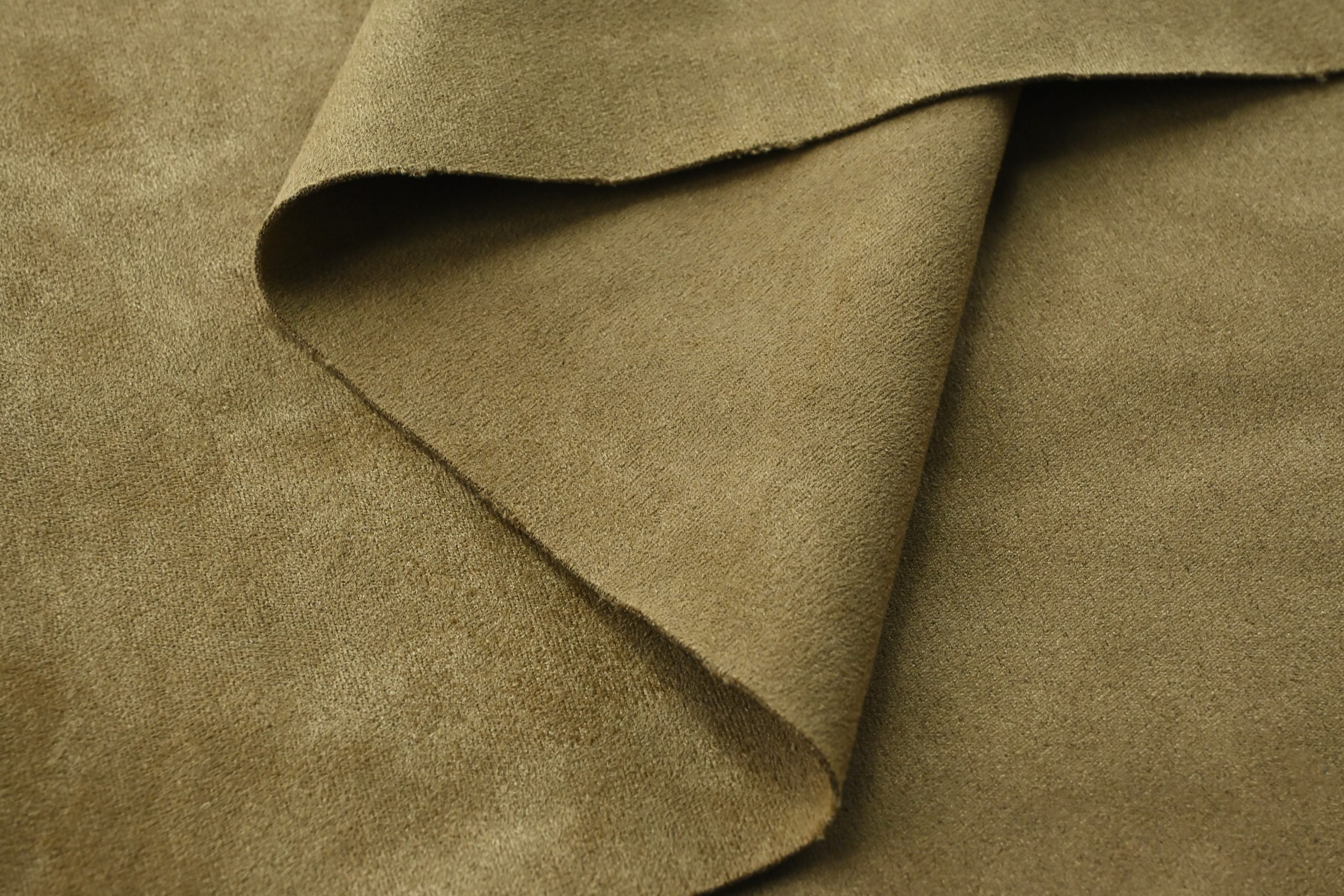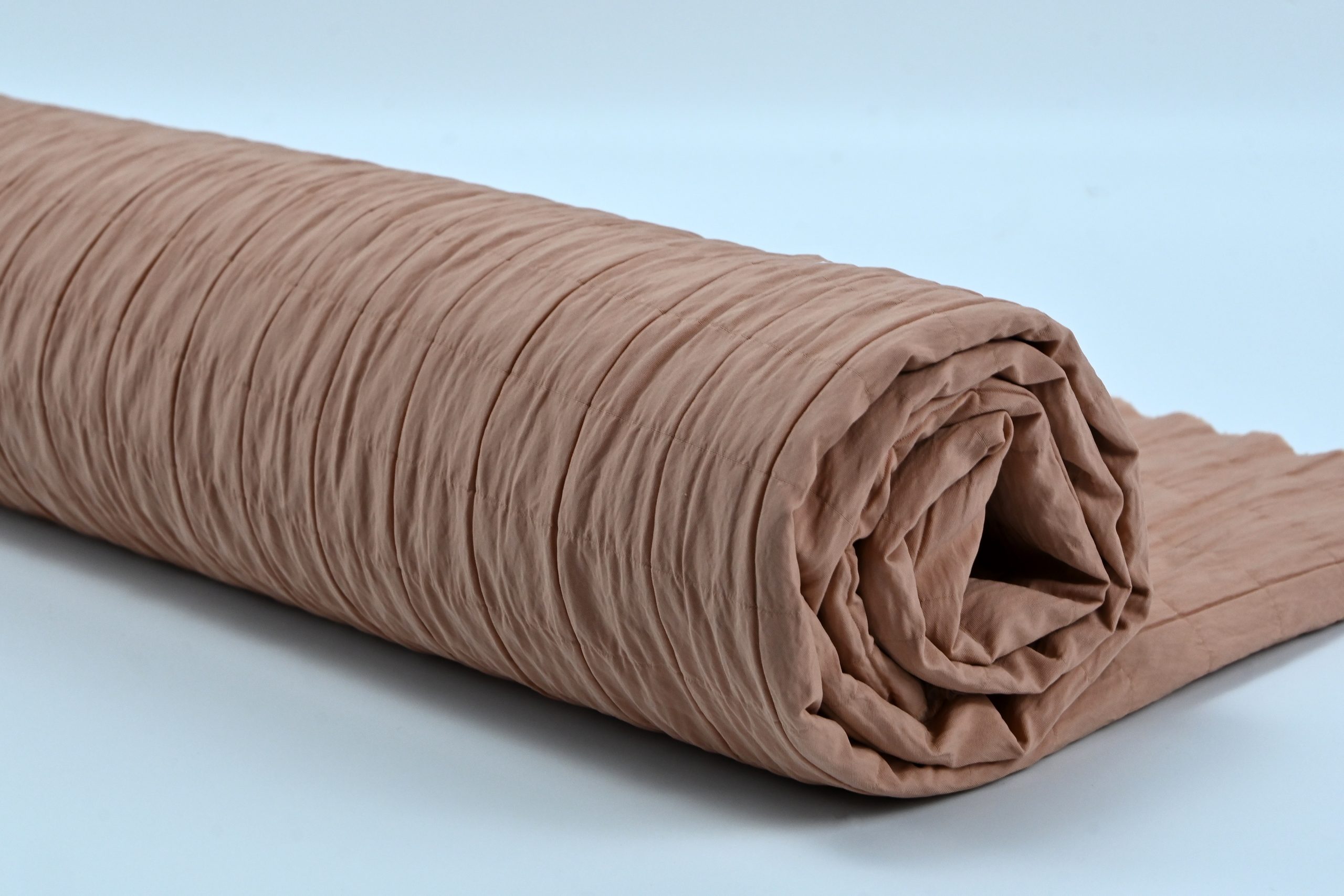


In cold temperatures, when winter temperatures are in place, warmth and dryness become a concern. Although natural materials such as wool and cotton have been used in winter over many years, synthetic materials such as polyester have come into place as a formidable opponent. Polyester fabric, though confusingly known as a cheap material, has certain distinguishing features that make it the best cloth material in cold-weather clothing and outdoor equipment.
In this blog post, we would address how moisture-wicking, heat-retaining, and quick-drying properties of polyester make it a winter hero and why RuiBao Textile Co., Ltd. could be trusted as a reliable source of high-quality polyester fabric.

Why Is Polyester Fabric So Warm?
The warm factor about polyester depends on the fact that it is synthetic. However, unlike natural fibers, polyester fibers have been designed in a way that they trap air in their weave and form a thermal barrier to body heat. The property is also boosted by tightly woven designs, which do not allow cold air to go through the material as it locks in warmth.
As an example, microfiber polyester has the advantage of having ultra-fine threads, which gives the material a dense texture that will maximize insulation without bulk. Moreover, the warmth of polyester is due to its hydrophobic property. It does not absorb moisture; instead, it repels it; therefore, the sweat or outside water will not cool the body.
Indeed, according to the recent research, moisture control capacity of polyester keeps the owner dry, which directly helps to regulate the body temperature.
The Science Behind Polyester’s Insulation
Polyester fibers are thermoplastic, that is, they can be set into a definite shape by use of heat. It enables the manufacturers to make fabrics of crimped or hollow fibers which trap air more effectively. As an example, hollow-core polyester fibers (widely seen in ski jackets and sleeping bags) add loft and warmth with minimal increase in weight. These fibers resemble the down feathers, which provide the same level of insulation but remove ethical concerns and address the difficulties of natural down.
Besides this, it is also found that favorable developments have been made in fiber technology, thus resulting in the invention of phase-change materials (PCMs) embedded in polyester fabrics. The materials hold, cut, and release heat according to the outside conditions to offer dynamic temperature control.
As an example, a PCM-enhanced polyester jacket possesses the capacity of absorbing excessive heat that is generated during exercise and then dissipating it as the body temperature declines, maintaining a moderate level of comfort regardless of unstable winter conditions.
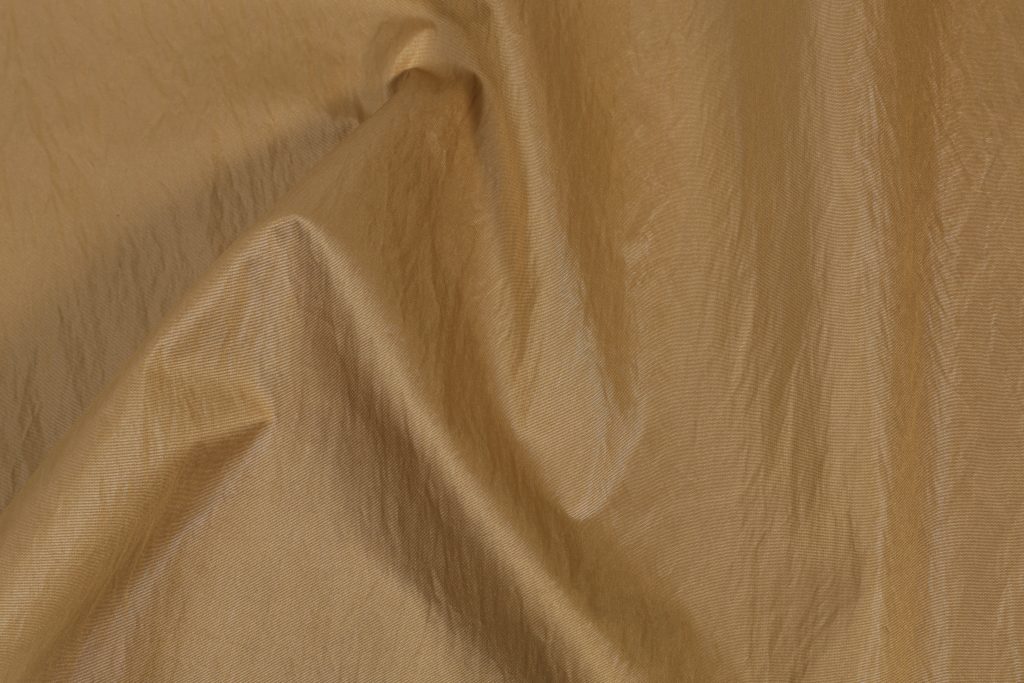
Moisture-Wicking Magic: How Polyester Keeps You Dry
The ability of polyester to wick moisture is one of the most ignored benefits of the fiber. Cotton only absorbs sweat like a sponge, but polyester fibers force moisture away and up to the fabric surface where it immediately loses its liquid qualities and dries quickly. This is done through a process called capillary action, which uses state-of-the-art weaving to allow pores so that the sweat can get an escape route.
An example is when blended polyester materials include hydrophilic fibres, which capture moisture with the water-resisting characteristics inherent to polyester remaining intact. This mix guarantees that one will be cool and dry even when engaging in an intensive activity such as skiing and hiking.
How Moisture-Wicking Technology Works
In modern polyester fabrics, two main methods are employed to improve moisture management:
- Hydrophilic Finishes: Finishes added to the fabric that attract water molecules. These finishing було produced small tubes at a microscopic level by which sweat is drawn off the skin.
- Asymmetric Weaves: T-shirts are made of fabrics that have dissimilar fiber diameters and thereby generate pressure gradients that expel moisture out. An illustration of this would be a double-weave polyester material in which the inner fibers could be fine to absorb the sweat and the outer fibers could be coarse so as to disperse it.
In 2022, moisture-wicking polyester had a greater effect in reducing skin wetness by 40 per cent compared to cotton in moderate exercise to ameliorate thermal comfort considerably. It is also suitable during winter sports in that one could easily get cold because of sweat.
Polyester vs. Other Winter Fabrics: A Comparative Analysis
Polyester vs. Wool
An old classic that can be worn in the colder months is wool, which is hailed for keeping things dry but also warm. But polyester stands out in a few points:
- Weight: Polyester is much lighter than wool, and it can be used as a layering material.
- Stress Found as a fabric: Durability Polyester is durable because it does not wear easily and, unlike wool, does not pill or slacken over time.
- Price: Polyester is cheaper, has great performance with minimum cost as compared to wool.
Wool is the best choice in low temperature conditions, but the use of polyester is extremely advantageous in this fabric because polyester is synthetic and can be used when the weather is not so cold or when the users need a lot of activity.
Polyester vs. Cotton
The fact that cotton is breathable is a good feature in the summer season, but not in the winter season. It also has the capability of absorbing as much as 7 percent of its own weight in moisture, thus making the wearer feel cold and wet. On the contrary, polyester draws less than 1 percent moisture, which creates dryness and warmth. Cotton also becomes dangerous to use since, when wet, it also loses its insulating quality, unlike polyester, which is useful even in wet conditions.
Polyester vs. Down
Down insulation is made out of goose or duck feathers, providing an unrivaled warmth per weight ratio. Nevertheless, polyester is competitive in the following spheres:
- Water Resistance: Down becomes insulation-deficient when wet, whereas polyester does not.
- Ethics: Ethics is more ethically sound given that polyester does not involve animal welfare that is experienced during down harvesting.
- Price: Polyester is 30-50 percent less expensive than high-quality down fill.
In case of a low-priced consumer or in high-humidity regions, polyester is a reasonable option.
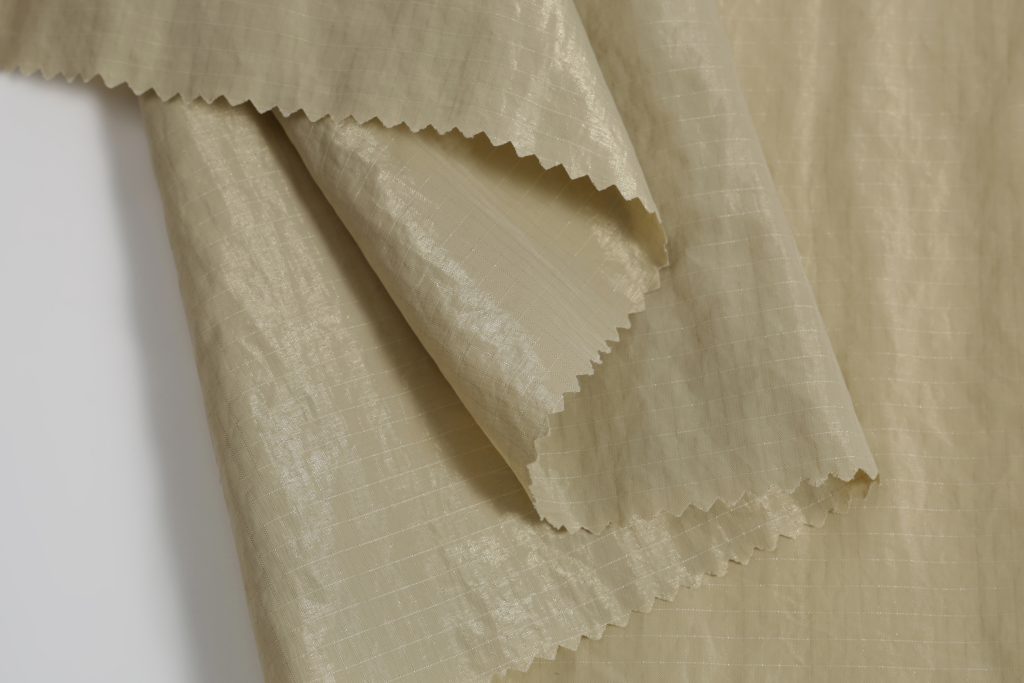
Choosing the Right Polyester for Winter
Polyester does not have equal fabrics. In winter clothes, you should take the following into consideration:
- Weave Density: The closer weaves, such as in windbreaker or insulated jackets, prevent cold air flow whilst keeping in the heat.
- Fiber Type: The microfiber or fleece-lined polyester is added to make it soft and extra warm.
- Blends: Polyester fabric blended with elastane (stretch), or wool (hybrid insulation) provides blended-performance.
- Coatings: Water-resistant coatings can be applied to polyester without lowering the level of breathability.
Popular Winter Applications of Polyester
- Base Layers: It uses moisture-absorbing polyester mixtures to keep the skin dry when performing strenuous activity.
- Mid-Layers: Fleece-lined polyester is lightweight and helps in trapping heat.
- Outer Shells: The polyester that has a waterproof coating resists wind and snow.
Why RuiBao Textile Co., Ltd. Stands Out
In RuiBao Textile Co., Ltd., we have developed the craft of producing high-performance polyester fabric not only in winter but also otherwise. Our factory was built in 2004; it has 5,500 square meters and more than 25 knowledgeable workers who focus on innovative and qualitative work. Polyester fabrics are designed to fit the needs of modern winter clothes, as they have two great functionalities: moisture wicking, warmth holding, and resistance.
Our Commitment to Excellence
- Advanced Manufacturing: Our GRS-certified weaving shop has automated looms which manufacture environmentally-friendly high-strength polyester with carefully aligned fibers to produce the warmest possible.
- Custom Solutions: Our team tells us what you want to be produced, whether it be windproof outer layers or breathable mid-layers, then they tailor fabrics to your desires.
- Quality controls: We follow strict quality regulations, and our fabric is strictly on a higher standard than Canadian European certifications and fireproofing policies.
Our monthly production is 300000 meters and an inventory of 5000000 meters, which ensures quick response on the orders placed and at the same time does not compromise on quality.
Sustainability at Its Best
RuiBao Textile is engaged in limiting environmental impact. We source our GRS-certified recycled polyester using post-consumer plastic bottles and redirect waste away from landfills and still provide the same performance as virgin polyester. Our recycling efforts reduced more than 12 million plastic bottles that had a chance to go into oceans and landfills in 2023.
Caring for Your Polyester Winter Gear
In order to get the best out of polyester:
- Clean In Low Temperature Water: Synthetic Fibres Synthetic clothes may be ruined in a high-temperature wash and lose much of their water-wicking capability.
- Fabric Softeners avoid: They tend to block the pores of fabric, making it un-breathable.
- Air Dry wherever possible: Although polyester takes a short time to dry, it can be tumble-dried in low heat to retain its shape.
Frequently Asked Questions (FAQs)
1. Is polyester breathable during the winter season?
Yes! Although polyester is not as breathable as cotton, newer moisture—wicking topcoats enable sweat to evaporate effectively, so one does not overheat easily.
2. Will polyester wear protect you against extremely low temperatures?
Polyester is a good insulator; however, it should be used as the mid-layer or outer layer in extreme weather conditions. It can also be combined with some insulation such as fleece.
3. What is the difference between polyester and down insulation?
The Down rating, in terms of warmth-to-weight ratio, is better, but polyester is less expensive, water-proof, and blood-free. It is a very good option for cost-saving buyers.
4. Is polyester eco-friendly?
So-called recycled polyester, also referred to as RuiBao and GRS-certified materials, minimizes plastic waste and energy costs and is, thus, environmentally conscious.
5. What could I do to eliminate odor in polyester clothes?
To avoid the development of odor-causing bacteria, Polyester has its antimicrobial property. In case of tough odours, you can soak in some vinegar-water solution, then wash.
6. Does polyester shrink during the laundry?
No, polyester does not shrink. Nevertheless, fibers may melt under high temperatures; thus, read the care labels carefully.
7. Is it possible to recycle polyester?
Yes! Recycled polyester (rPET) is produced out of post-consumer plastic and has the same chemistry as virgin polyester.
8. Does polyester work with sensitive skin?
Polyester is dust mite resistant, non-allergenic, resulting in its suitability to sensitive skin.
Conclusion
The combination of warmth, moisture-wicking performance, and durability of the polyester fabric makes it a must-have in winters. In any winter weather adventure, synthetic benefits of polyester go a long way to trump conventional materials in one way or another. In RuiBao Textile Co., Ltd, we are the industry leader in making high-quality polyester fabrics with the true zenith of standard and sustainability.
Keep warm, keep dry and, with polyester, conquer your winter wanderings.
Camping to give your Winter dress code a high-performance polyester? Discover custom solutions to fabric at RuiBao Textile today.