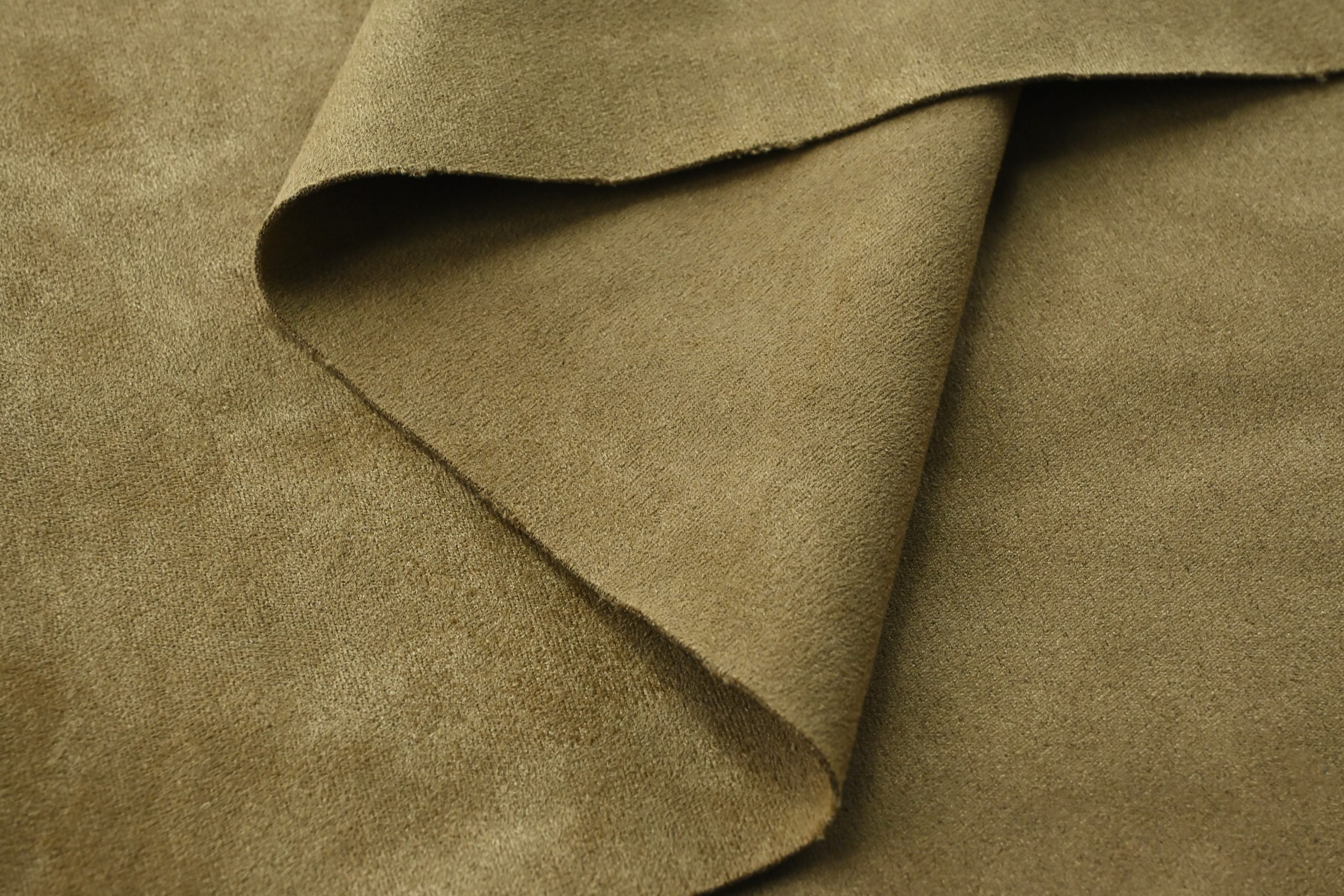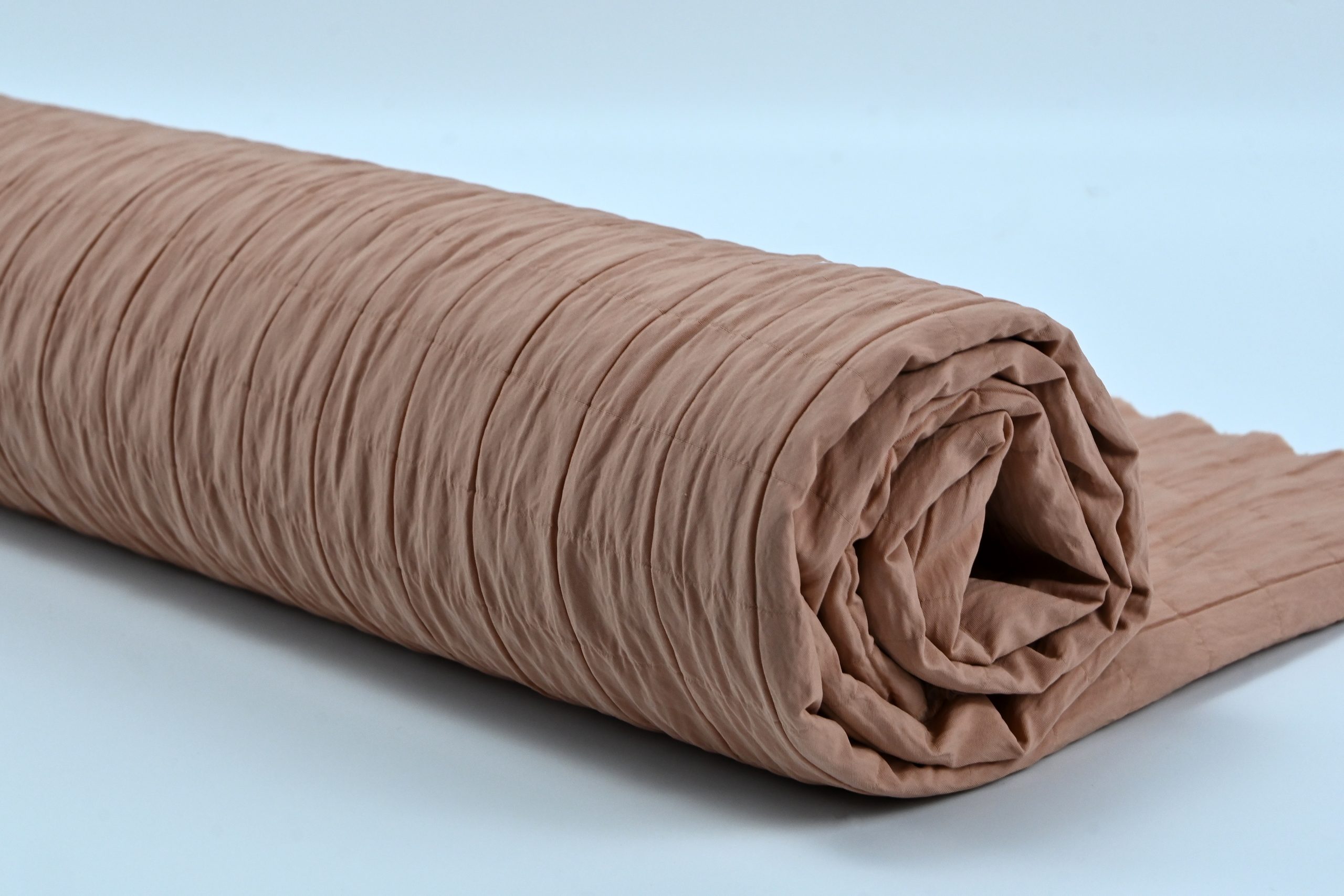

In today’s textile market, knowing how to identify high-quality pure cotton fabric is crucial for businesses and consumers alike. When there are so many types of blends and claims about cotton, separating real premium cotton from lower-quality products isn’t easy.
We will show you how to judge cotton fabric by looking at its fiber, testing its characteristics, and choosing your supplier. We’ll also discuss RuiBao Textile Co., Ltd, which provides excellent woven fabrics, and end with a useful FAQ section.
Whether you’re sourcing cotton for apparel, home textiles, or industrial use, this article equips you with the tools to make informed decisions.

Understanding What Makes Cotton “Pure”
Materials are considered pure cotton only if they’re woven from natural fibers of the cotton plant and have no synthetic ingredients.
It is liked for being airy, soft to touch, good at soaking up moisture, and comfortable, which makes it good for clothing, bedding, towels, and medical texts. Even so, not all kinds of cotton are the same. How long the fibers are, the weaving used, how it is finished, and what certifications exist determine quality.
If you recognize these qualities, you’ll make sure you purchase authentic high-performance cotton rather than an inferior substitute.
Why Quality Matters in Pure Cotton Fabric
Our customers are satisfied, and the fabric is useful and durable if you make quality cotton. Cotton that doesn’t feel soft may sometimes pill, shrink after being washed, or fade in color quickly, sometimes giving the skin a rough feeling. However, excellent cotton clothing holds its form, color, and texture, giving you greater enjoyment and longer life.
For businesses involved in fashion, home goods, or manufacturing, choosing premium cotton is not just about aesthetics — it’s a commitment to value and brand reputation. That’s why assessing cotton quality is a skill that matters a lot.
Step-by-Step Guide to Identifying High-Quality Pure Cotton Fabric
1. Check the Label for Fiber Content
You can’t always rely on them, but they offer the simplest way to start. Try to choose clothing made from 100% cotton. Avoid buying clothing that bears the phrase “cotton-rich” because it is usually a blend.
Any international buyers interested in organic clothing should search for OEKO-TEX®, GOTS, and Cotton USA, which ensure the products are safe, responsible, and authentic.
2. Feel the Fabric
The softness and smoothness you feel in high-quality pure cotton fabric make it different from other, cheaper materials. Check the softness — real high-grade cotton will feel supple, but cheap materials will feel stiff.
Even so, remember, for example, that unbleached or organic types may feel rougher to begin with, but they will get softer the more you wash them. Being able to connect with a piece of fabric physically helps you make a good assessment.
3. Examine the Weave and Thread Count
For a fabric, thread count means how many threads are in a one-square-inch section. While higher thread counts (typically 180–250) are associated with better quality in bedding and dress shirts, it’s not the only factor.
You should notice an even amount of space between threads and not find any gaps. A sign of poor material is when the weaving isn’t even. Doing so shows you know what to look for, which increases your credibility during negotiations.
4. Perform the Burn Test (Optional)
If you’re unsure whether the fabric is truly pure cotton, a burn test can help. Trim a small rind from the fabric and allow it to come into contact with flame (do so cautiously):
- When you burn pure cotton, it burns steadily, smells like burning paper, leaves only a soft gray ash, and does not melt.
- When you burn them, synthetic fabrics curl, melt, and give off a smell close to plastic.
As this test destroys the material, use it with something you have extra. It teaches through practical experience, a required part of EEAT.
5. Assess Color Fastness and Dyeing Quality
Cotton with a high fiber count won’t let dye slip out and is less likely to fade. Make sure the color is the same over the whole piece of fabric. Irregular patches or spots in your clothing might be caused by bad dye jobs or poor fiber materials.
You might also see chemicals stuck in printed areas or stiffness, which indicates possibly harsh finishing. A reliable supplier will confirm that their fabric is made according to safety rules.
6. Test for Shrinkage and Durability
Shrinking or major deformation shouldn’t happen to really good cotton even after being washed several times. For home testing, remove a little of the fabric and wash it under regular use conditions. Following drying, check if the size of your sample has changed. Good-quality meat is indicated by only a few changes.
It’s also possible to test durability by rubbing the material a few times between your fingers. Cotton that’s made with lower quality commonly develops pills and thins out rapidly. Doing this testing gives even more credibility to your evaluation process.
7. Look for Certifications and Traceability
You should find that reputable suppliers give you proof that their cotton meets global standards. Ensure you get hold of certificates like:
- The OEKO-TEX® Standard 100 checks that the material is not made with harmful chemicals.
- GOTS Certification covers methods for ensuring the organic production of cotton. The standard ISO 9001 shows that quality management systems are being used.
These badges prove a supplier’s skill and a product’s trust, which is necessary for proper production and gaining customers’ belief in pure cotton fabric.
Common Misconceptions About Pure Cotton Fabric
Regardless of its massive popularity, people often misunderstand what makes pure cotton fabric worthy.
- Just because something is expensive doesn’t make it better: You can’t trust the price alone. There are some brands that inflate their prices simply to make their marketing more effective.
- Organic isn’t always the same as high quality: Organic cotton includes no toxic chemicals, but the finished fabric’s quality depends on the processing done to it.
- Knowing your cotton can be difficult: Pima, Egyptian, Upland, and many other cotton varieties are all different, with their own lengths and properties.
With this information, buyers can prevent usual mistakes and invest their money in the right cotton fabric.

Meet RuiBao Textile Co., Ltd: Your Trusted Partner for Premium Pure Cotton Fabric
When shopping for premium pure cotton fabric, you need to team up with an effective and experienced textile manufacturer. We are proud at RuiBao Textile Co., Ltd to provide leading woven fabrics that meet the strictest international standards.
From its base in China, our company has grown a strong reputation mainly through providing quality goods, being innovative, and paying close attention to our customers. We manufacture pure cotton fabrics that work well in fashion and textiles for home and industrial uses.
Here’s what makes our company different:
Commitment to Purity and Quality
Our cotton fabric is tested many times to confirm it satisfies all the set standards. From picking fiber to checking at the finish, we have 100% management of the actions involved. We gather our cotton from reliable farmers and treat it free of dangerous chemicals, keeping it both clean and safe.
Advanced Manufacturing Technology
At our facility, we use the latest technology for weaving, dyeing, and finishing to make cotton fabrics that are durable, soft, and will not fade. Technicians at every step ensure that what’s being made is always the same and performs well.
International Certifications
We realize how important trust is in world markets at RuiBao Textile. That is why we have places like OEKO-TEX® Standard 100 and ISO 9001 on our certificates to ensure that we respect safety, sustainability, and top production standards.
Custom Solutions for Diverse Needs
Want cotton fabric for bedrooms, clothes, or health care? We customize our products to fit your particular needs. We help our clients choose the best weaves, colors, finishes, and packaging choices.
If you’re looking for a supplier that combines experience, expertise, authority, and trustworthiness, look no further than RuiBao Textile Co., Ltd. Our product catalog is available for you to explore and find out what it’s like to work with an industry leader.

Frequently Asked Questions (FAQs)
What is Pure Cotton Fabric?
Natural cotton fibers are the only material used in making pure cotton fabric. It is renowned for keeping you airy, soft, and comfortable.
What should I look for to decide if my cotton fabric is top-notch?
Check the texture as you pick fabric—it should be smooth, the weave should be tight and even, and there should be little or no shrinkage, plus the item should be certified by OEKO-TEX® or GOTS.
Is every quality piece of clothing made from organic cotton?
Not necessarily. Although organic cotton is produced naturally, the final level of quality depends on the techniques used to make its textile fabric.
Can cotton fabric be checked at home before any purchase?
A burn test (paper-burning) and wash test (limited shrinkage) are fine, and so is the rub test (the fabric doesn’t pill).
Why does thread count matter when it comes to cotton fabric?
The number of threads per square inch affects. The number of threads in each cm² influences how a fabric is both felt and used. However, it’s not the sole indicator of quality — weave structure and fiber length also matter.
What certificates are important when purchasing pure cotton fabric?
Important certificates for the industry are OEKO-TEX® Standard 100, GOTS, ISO 9001, and Cotton USA. They protect us, the environment, and the quality of food.
How do I make sure I select a trustworthy cotton fabric supplier?
Before choosing, look at how long they have worked, what certificates they hold, their ratings from clients, the example pieces they’ve made, and their support after your order.
Do clients overseas get RuiBao Textile’s products?
Worldwide shipping is part of what we do, and we support clients active in fashion, home textiles, and industrial industries.
Can I buy custom cotton fabric from RuiBao Textile?
Absolutely. Our services for weaving, dyeing, and finishing materials are customized to provide what customers need.
How does RuiBao make sure the cotton fabric it produces is high quality?
We check our raw materials, conduct in-production checks, and test our products again in the laboratory after they are bundled.
Conclusion
You need both skills, practiced vision, and focus on spotting good-quality pure cotton fabric. By looking at what the cotton is made of, checking the weave, and considering certifications, you are sure to invest in good, reliable cotton.
By working with RuiBao Textile Co., Ltd., your company can be certain to obtain fabrics of excellent quality that are approved by global regulations. Applying what’s explained in this guide helps buyers increase the quality of their merchandise and ensure customers are happy.
Be discriminating, make sure things are clear with your suppliers, and choose experienced suppliers for regular quality cotton material.