The success of a clothing business depends on whether you have found the appropriate Textile Shirting Fabrics Manufacturer. Your shirts are produced with the quality of the material first; quality material produces happy customers, returning customers, and a good brand image. Conversely, low-quality fabric will lead to returns, customer complaints, and lost sales. The international market has so many manufacturers, and hence it is imperative to look at their options carefully and critically.
This is a step-by-step guide that will lead you through all the most important details of choosing a stable manufacturer of shirting fabrics, i.e., the knowledge of fabric types and quality standards, the evaluation of sustainability, and customization options. Be it a new fashion line or an increase in brand size, this guide is going to help you make a proper decision.
Understanding Shirting Fabrics Basics
It is important to know what constitutes high-quality shirting fabrics before getting into the selection of manufacturers.
What Makes Quality Shirting Fabrics?
Shirting fabrics have to be a compromise between comfort, durability, and looks. These must be soft against the skin, wear well, and not wrinkly. Breathability is essential, particularly in dress shirts that are used in hot climates or on longer workdays. Clothes should also not turn color, pill, or shrink when washed frequently.
The most popular is cotton because of its soft nature and the ability to allow natural breathing. Linen has a casual, texturized appearance that suits wear in the summer, but it wrinkles so easily. Polyester blends are tough and wrinkle-free and can be used as performance or casual-style shirts. The blends, such as cotton-poly or cotton-lyocell, are the best of both worlds.
Always order material samples physically prior to making bulk orders. Hand feel, weight, and wash testing will aid in ensuring that the fabric is up to your brand standards.
Common Shirting Fabric Types
Shirts of various styles require dissimilar fabrics:
- Oxford Cloth: A canvas-type, basket-weave clothing that is frequently worn as a casual button-down. The appearance is textured and very durable.
- Poplin (or Broadcloth): Tightly woven, smooth, and a bit shiny. Perfect to wear a shirt at a party.
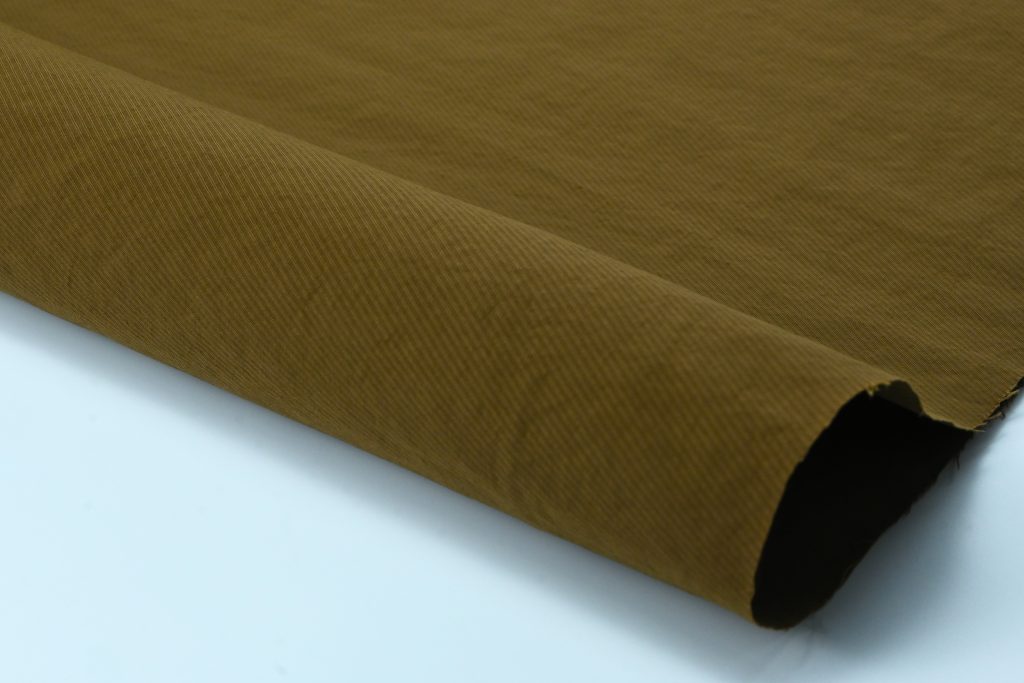
- Twill: Can be identified by the diagonal rib design. Sturdy and not prone to wrinkles, it is used most often in business suits and uniforms.
- Chambray: Light and has the look of denim, but it is lighter and more breathable. Great spring-summer shirts.
- Flannel: Brushed surface is cozy and is worn on shirts in the casual or winter season.
- Jacquard: Jacquard has elaborate designs and patterns in weaving and is mostly applied in high-end shirts or designer shirts.
A good Textile Shirting Fabrics Manufacturer will be capable of clarifying these options and giving the optimal choice depending on your target market and design requirements.

Key Factors in Choosing a Textile Shirting Fabrics Manufacturer
Choosing a manufacturer is not only a matter of cost but of collaboration, stability, and dependability.
1. Check Quality Control Systems
There should be regular quality. Enquire the manufacturer regarding the quality control (QC) of their processes at each level– starting with the choice of the yarns to the final inspection. Do they perform color fastness, tensile, and shrinkage tests? Is the inspection of fabrics in standardized lighting conditions done? Are they automated in their inspection systems to identify flaws?
Preferably, pay a visit to the factory. Notice the way in which workers work with materials, the existence of a special quality team, and how the rejected batches are addressed. A dependable Textile Shirting fabrics manufacturer has stringent measures to reduce defects and provide batch-to-batch consistency.
2. Assess Production Capacity
Is the manufacturer able to satisfy your volume requirements – today and in the future as your business expands? You can inquire about their monthly production capacity, lead time, and capacity to increase during peak seasons. As an example, in case you intend to do seasonal collections or frequent reorders, you require a partner that has flexible production lines.
Examine their machinery. New, computerized dyeing and looms enhance production and reduce errors. Obsolete equipment can lead to increased lead time as well as inaccurate quality. Vertical integration manufacturers, i.e., those companies that deal with weaving, dyeing, finishing, and inspection of their products under the same roof, would provide better coordination and also have quicker turnaround in the market.
3. Verify Certifications and Standards
Proofs of adherence to international safety, environmental, and ethical standards are certifications.
Look for:
- ISO 9001 (Quality Management)
- ISO 14001 (Environmental Management)
- OEKO-TEX® Standard 100 (Free from harmful substances)
- GOTS (Global Organic Textile Standard) – essential if using organic cotton
- GRS (Global Recycled Standard) – for recycled fabrics
Ask to be presented with existing certificates and confirm the expiration dates. High-end Textile Shirting Fabrics Manufacturer has the latest certifications and follows the international rules, which provide you with confidence when selling in Europe, North America, or any other governed markets.

Evaluating Customization Capabilities
Brands are distinguished by customization in the present competitive fashion market.
Design and Pattern Options
Is the manufacturer able to make custom designs, unique weaves, or exclusive designs? There are those factories that only deal with stock fabrics and others that deal with custom development. Request to view a sample of previous custom projects. Are they capable of sampling small lots? Are there designers or technical specialists in-house to help them with fabric development?
An adaptable Textile Shirting Fabrics Producer will be able to endorse your creative perspective – be it a signature stripe, a micro-check, or a proprietary weave structure.
Color Matching Precision
Good color replication is crucial to brand consistency.
The high-end manufacturers adopt spectrophotometers and computerized color-matching systems to get precise dye recipes. Their color lab has technicians who work on recipes until the sample closely matches your Pantone or physical swatch.
Always demand swatches of the dyed fabric and test it in various lighting conditions (naturally at daylight, in the store, and so on). Lack of good color matching may result in complete rejection of batches – an expensive error.
An experienced Textile Shirting Fabrics Manufacturer can achieve little difference between dye lots and offer lab dips to approve before full production.
Sustainability in Textile Manufacturing
Consumers of this day and era want transparency and environmental conservation.
Eco-Friendly Production Methods
Enquire about water consumption, chemical control, and energy consumption.
Green enterprises reuse wastewater, treat wastewater before it is discharged, and apply low-impact dyes in their factories. Dyeing systems work in a closed loop, which saves up to 50 percent of water. Heat savings systems and solar panels are some of the energy-saving technologies that minimize environmental impact.
Other manufacturers focus on recycled materials (such as rPET made of plastic bottles) or organic materials, which attracts more environmentally conscious customers.
A conscientious Textile Shirting Fabrics Manufacturer invests in green technology and keeps on upgrading its sustainability footprint.
Ethical Working Conditions
In addition to the environmental issues, there are ethical labor practices.
See that the factory follows fair wage policies, good working conditions, and sensible working hours. Provider certifications such as the SA8000 or amfori BSCI membership are signs of social compliance commitment.
Where feasible, visit the plant or ask external auditors to provide audit reports. Properly trained and respected workers who are fairly paid give their best. An honest Textile Shirting Fabrics Manufacturer will treat the employees with dignity and create a favorable working atmosphere.
Why Choose RuiBao Textile as Your Manufacturer
RuiBao Textile is reputed as one of the leading Textile Shirting Fabrics Manufacturers in China with more than 20 years of experience.
Our Experience and Capabilities
We were founded in 2004 and have a state-of-the-art facility covering more than 5,500 square meters and containing more than 50 advanced looms. Each month we produce 300,000 meters of fabric that serve both world brands and independent designers.
We have a 5 million square meter warehouse that allows quick order delivery – even with an urgent delivery. We are a vertically integrated manufacturer and take control of all processes in-house; weaving gray fabric, dyeing, finishing, shaping, and quality control. This integration enables us to have better control over quality and reduce costs to our clients.
Our products are woven shirting materials, and we can do cotton, linen, TENCELtm, recycled polyester, and specialty blends.
Quality You Can Trust
We are based on quality at RuiBao. Each roll is thoroughly tested in regard to:
- Color fastness (washing, rubbing, light exposure)
- Dimensional stability (shrinkage control)
- Fabric strength and abrasion resistance
- Chemical safety (OEKO-TEX® certified)
Our products qualify in the global market of the EU, the USA, Japan, and Australia. We also adhere to the fire safety standards and physical performance rules and make sure that your clothes pass the retail inspection.
Our Advanced Factory Features
Innovation: we have spent a lot of money on it:
- GRS-Certified Weaving Workshop: The facility makes sustainable fabrics out of recycled yarns on automated and energy-efficient looms.
- Jacquard Weaving Machines: Use the computer-controlled machines to create intricate and bespoke designs, with pixel-precision accuracy.
- Smart Dyeing Workshop: Digital color matching and automated batching to remove shade variations.
- Eco-Friendly Finishing: Finishes with wrinkle-resistant, moisture-wicking, and anti-bacterial properties, and no damaging chemicals.
Modern fashion needs to enable us to provide consistent and high-performance fabrics with the help of these technologies.
Making the Final Decision
Request and Evaluate Samples
Any sampling can be done. An effective Textile Shirting Fabrics Manufacturer will provide the sample at no cost and will respond promptly to the request.
Test each sample thoroughly:
- Wash several times to test color fastness and shrinkage.
- Iron it to test wrinkling.
- Compare hand feel, thickness, and drape with other fabric competitors.
The sample must be representative of the real production quality, not an optimistic one.
Conclusion
Selecting the appropriate Textile Shirting Fabrics Manufacturer is a choice you can make that is of utmost importance to your apparel brand. It influences the quality of products, customer satisfaction, operational efficiency, and brand name.
Pay attention to quality management, production capacity, certifications, customization, and sustainability. Never sacrifice ethics or environmental responsibility – the contemporary conscious consumer will not lose sight of the difference.
RuiBao Textile is a blend of 20 years of experience, advanced technology, and customer orientation to assist brands in achieving success. Having high-volume production, speedy delivery, and uncompromising quality, we are willing to be your partner in fabric.
Note: great shirts begin with great fabric. Select a supplier who can see your dream of excellence.
Frequently Asked Questions
Q: What do I do to ascertain whether a textile manufacturer is reliable?
A: Find legitimate certifications, open factory processes, references of customers, and steady sample quality. Good manufacturers are transparent, and they do not hide behind their products.
Q: What is the best fabric for dress shirts?
A: The best softness, luster, and wearability is found in long-staple cotton of high thread count (such as Egyptian or Pima). Combining with TENCELtm or elastane, it is comfortable and stretchy.
Q: What is the average time frame of fabric production?
A: Standard orders take 2-4 weeks. Depending on the complexity, custom designs can take 4-6 weeks. Always plan schedules ahead.
Q: Are small businesses able to deal with large fabric manufacturers?
A: Yes! A lot of big manufacturers, such as RuiBao Textile, receive small to medium orders. Inquire about minimum order quantities (MOQs) and sampling policies.
Q: Are there design assistance resources by manufacturers?
A: Leading manufacturers will provide R&D services, which will assist in creating a unique weave, color, and finishes based on your brand identity.
With this guide in hand, you will be in a good position to select a Textile Shirting Fabrics Manufacturer that will not only help you grow your brand but also uphold its quality and values in the present and the future.