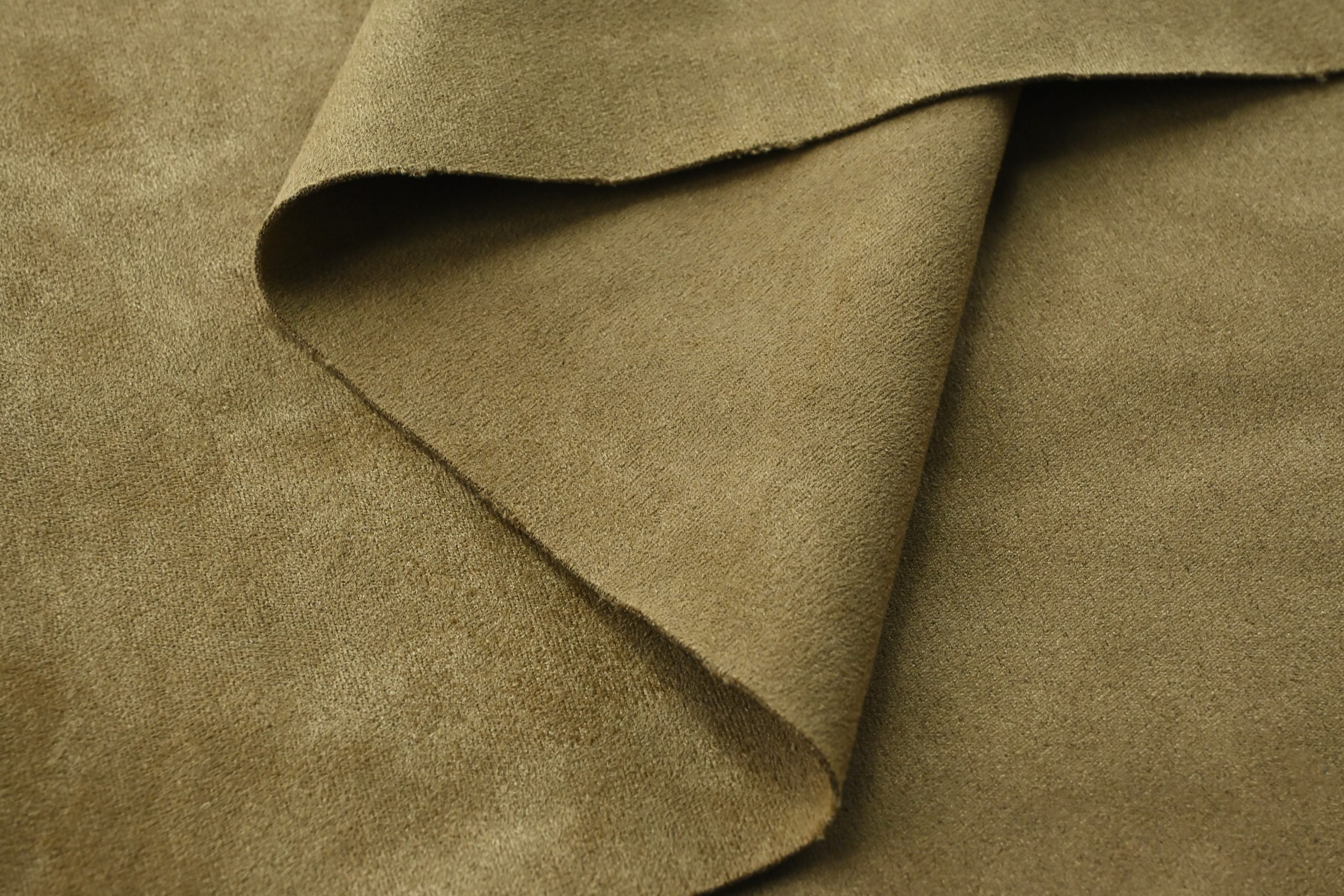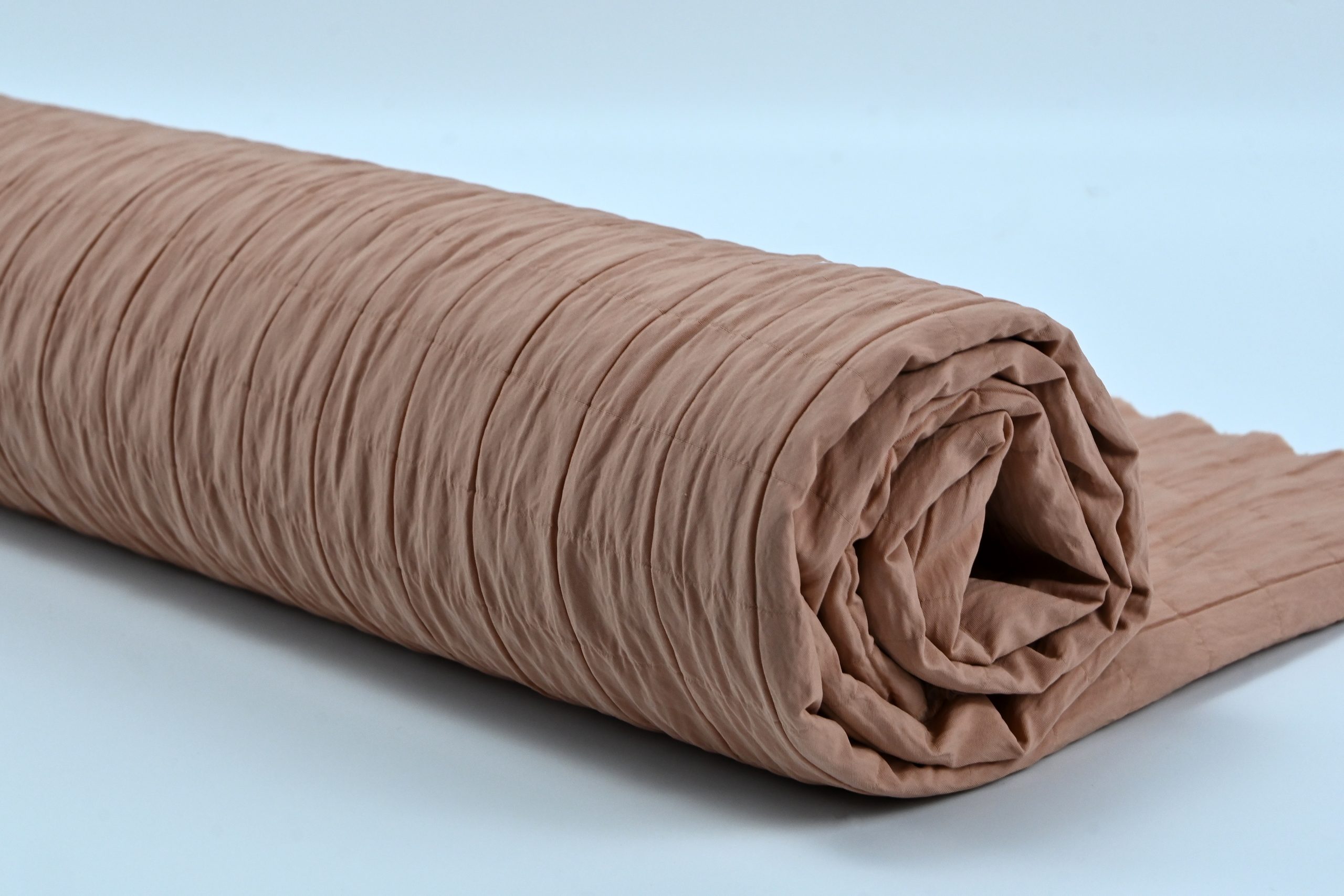

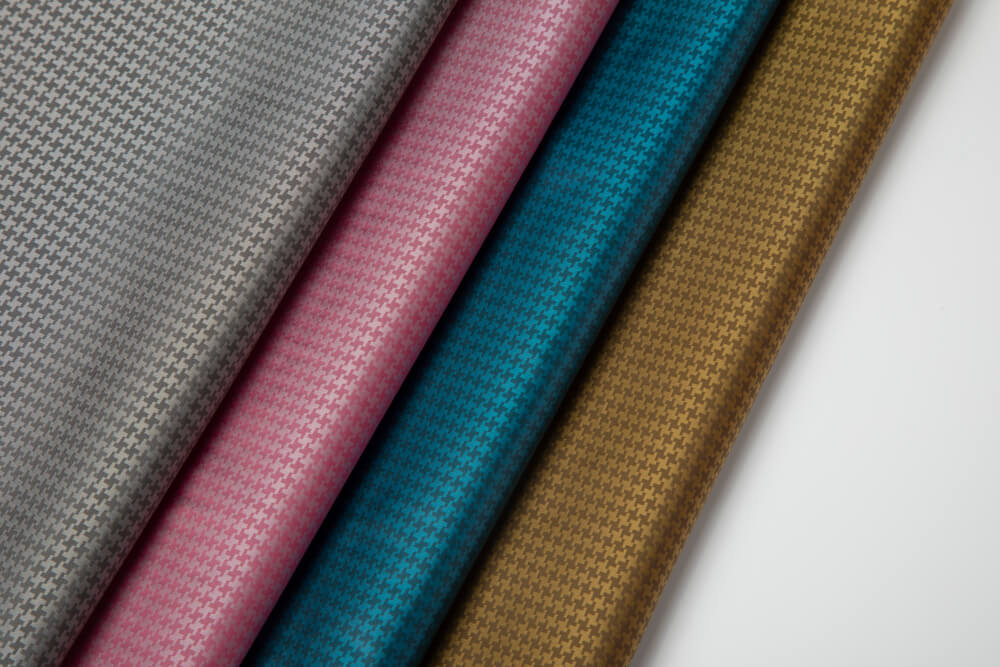
Sustainability is transforming the textile industry, and Recycled Oxford Cloth is emerging as a game-changer. Known for its durability, versatility, and eco-friendly benefits, this fabric is widely used in bags, outdoor gear, uniforms, and upholstery.
At RuiBao Textile Co., Ltd., we are committed to producing high-quality textiles including recycled polyester fabrics, recycled nylon fabrics, recycled Oxford fabrics, composite fabrics as well as yarn-dyed fabrics. In this article, we’ll explore what recycled Oxford cloth is, how it’s made, its key benefits, and why it’s the future of sustainable textiles—all in just 7 minutes!
What is Recycled Oxford Cloth?
Recycled Oxford Cloth is an eco-friendly, durable woven fabric made from recycled polyester (rPET) or repurposed fibers. It retains the strength, water resistance, and breathability of traditional Oxford cloth while significantly reducing environmental impact.
How Recycled Oxford Clothes Are Made?
Recycled Oxford cloth is produced using an eco-friendly process that repurposes waste materials into durable fabric. The manufacturing involves several key stages, ensuring sustainability without compromising quality.
Below is a step-by-step breakdown of how recycled Oxford cloth is made:
1. Collection of Recyclable Materials:
The process begins with collecting discarded plastic bottles (PET), old textiles, and other polyester-based waste. These materials are sourced from recycling facilities, textile waste centers, and industrial leftovers.
2. Sorting and Cleaning:
Collected waste materials are sorted based on their type, quality, and color. Then, they undergo thorough washing to remove impurities, dyes, and contaminants. This step is crucial to ensure that the recycled fibers meet high-quality standards.
3. Shredding and Fiber Extraction:
After cleaning, the materials are shredded into small flakes or fibers. For plastic bottles, they are broken down into tiny PET flakes. These flakes are then processed to extract polyester fibers, which serve as the base material for recycled Oxford cloth.
4. Re-polymerization and Yarn Production:
The extracted polyester fibers go through a melting and re-polymerization process, transforming them into recycled polyester chips. These chips are melted and spun into high-strength yarns. The resulting yarn maintains durability similar to virgin polyester but with a lower carbon footprint.
5. Weaving the Oxford Fabric:
The recycled yarn is then woven into Oxford cloth using specialized looms. Oxford fabric is typically created using a basket weave, giving it a distinct texture, durability, and breathability. Depending on the intended use, manufacturers may adjust the weave density and thickness.
6. Dyeing and Finishing:
To enhance appearance and functionality, the fabric undergoes dyeing using eco-friendly, low-impact dyes. Some variations of recycled Oxford cloth are treated with water-resistant, anti-UV, or flame-retardant coatings to improve performance for specific applications.
7. Quality Control and Packaging:
Before reaching the market, the recycled Oxford fabric undergoes rigorous testing for strength, colorfastness, and durability. Once approved, it is rolled, packed, and shipped to manufacturers or retailers for further processing into bags, apparel, tents, or upholstery.
Why Are Businesses Switching to Recycled Oxford Cloth?
The global shift towards sustainability is driving businesses to adopt recycled Oxford cloth over conventional fabrics. With increasing awareness of environmental issues, companies recognize the need for sustainable materials to meet consumer demand and comply with stricter regulations.
According to a Nielsen report (2021), 73% of global consumers prefer brands that prioritize sustainability, pushing industries to rethink their material choices. The eco-friendly textile market is expected to reach $109.6 billion by 2030 (Allied Market Research), reflecting the growing demand for recycled fabrics.
One of the biggest advantages of recycled Oxford cloth is its reduced environmental impact. Compared to virgin polyester, its production cuts CO₂ emissions by 32% (Textile Exchange, 2023) and significantly lowers water and energy consumption.
Additionally, recycling one ton of plastic bottles saves 5.7 cubic yards of landfill space (EPA), helping reduce plastic waste. With businesses under pressure to minimize their carbon footprint, using recycled textiles is a practical step toward sustainability.
What Are Key Features & Benefits of Recycled Oxford Cloth?
Recycled Oxford cloth offers a perfect blend of sustainability, durability, and functionality. Its eco-friendly composition makes it a preferred choice for industries looking to reduce their environmental footprint without compromising quality.
The key features and benefits of recycled Oxford clothes are listed below:
1. Eco-Friendly & Sustainable:
Recycled Oxford cloth is made from repurposed plastic bottles and textile waste, reducing landfill waste and ocean pollution. Its production consumes less water and energy compared to virgin polyester, making it a greener alternative for conscious consumers and businesses.
2. Exceptional Durability:
This fabric is known for its strength and resilience. Its tightly woven structure makes it tear-resistant, ensuring longevity for various applications like backpacks, jackets, and upholstery. Unlike other fabrics, it retains its shape and resists wrinkles, maintaining a polished look over time.
3. Water-Resistant & Breathable:
Oxford cloth is often treated with a water-resistant coating, making it ideal for outdoor gear, workwear, and luggage. Despite its protective barrier against moisture, it remains breathable, ensuring comfort when used in clothing and accessories.
4. Lightweight Yet Strong:
Recycled Oxford cloth provides a balance between weight and durability. It is sturdy enough for heavy-duty use but remains lightweight for easy handling. This makes it a preferred choice for travel bags, sportswear, and industrial uniforms.
5. Cost-Effective & Versatile:
Sustainability doesn’t have to come at a high price. Recycled Oxford cloth is an affordable option for manufacturers, offering long-term cost savings. Its versatility allows it to be used in fashion, furniture, outdoor equipment, and automotive interiors.
Why Choose Recycled Oxford Clothes?
By opting for recycled Oxford textile, manufacturers and consumers contribute to a cleaner planet while enjoying a high-performance fabric. Its combination of sustainability, strength, and affordability makes it a smart choice for eco-conscious brands and individuals.
What Are Applications of Recycled Oxford Cloth?
Recycled Oxford cloth is a versatile fabric used across multiple industries due to its strength, durability, and eco-friendly properties. Its ability to withstand wear and tear while maintaining a stylish appearance makes it a preferred choice for various applications.
1. Fashion & Apparel:
Recycled Oxford cloth is widely used in the fashion industry, offering a balance of durability and aesthetics.
- Jackets & Coats: Water-resistant and breathable, making it ideal for outerwear.
- Backpacks & Bags: Lightweight yet strong, perfect for everyday and travel use.
- Workwear & Uniforms: Tough and wrinkle-resistant, ensuring longevity in demanding environments.
2. Home Textiles & Furnishings:
The fabric’s durability and easy maintenance make it popular in home décor.
- Upholstery: Used for sofas and chairs due to its high resistance to wear.
- Curtains & Drapes: Provides a stylish yet functional window treatment.
- Table Covers: Protects surfaces while adding an elegant touch to interiors.
3. Industrial & Outdoor Use:
Recycled Oxford cloth is engineered for heavy-duty applications where durability is essential.
- Tents & Awnings: Water-resistant and tear-proof, suitable for outdoor shelters.
- Protective Covers: Shields vehicles, machinery, and furniture from dust and moisture.
- Outdoor Gear: Used in camping equipment, travel accessories, and sports gear.
Recycled Oxford Cloth vs. Regular Oxford Cloth
Oxford textile is known for its strength and versatility, but how does recycled Oxford cloth compare to the regular version? Below is a detailed comparison based on key factors like material source, environmental impact, and performance.
1. Material Source:
- Recycled Oxford Cloth: Made from repurposed plastic bottles (PET) and textile waste, reducing landfill waste and the need for virgin materials.
- Regular Oxford Cloth: Typically produced from virgin polyester or cotton, requiring new raw materials and more natural resources.
2. Environmental Impact:
- Recycled Oxford Cloth: Lowers carbon emissions, conserves water, and minimizes plastic waste in oceans and landfills.
- Regular Oxford Cloth: Has a higher environmental footprint due to intensive resource consumption during production.
3. Performance & Longevity:
- Recycled Oxford Cloth: Offers the same durability, tear resistance, and water-repellent properties as regular Oxford fabric but with added sustainability.
- Regular Oxford Cloth: Strong and long-lasting but lacks the eco-friendly advantage of recycled alternatives.
Which One Should You Choose?
If sustainability is a priority, recycled Oxford textile is the better choice. It provides the same strength and functionality as regular Oxford fabric while reducing environmental harm. Brands and manufacturers opting for recycled versions contribute to a greener future without compromising on quality.
Conclusion:
Recycled Oxford cloth is transforming the textile industry by offering a sustainable, durable, and cost-effective alternative to traditional fabrics. With growing consumer demand for eco-friendly products and stricter environmental regulations, businesses are rapidly shifting toward recycled materials to stay competitive.
If you are looking for high-quality recycled Oxford fabric or any other recycled textile, then you are at the right place.We specialize in premium woven fabrics with a commitment to sustainability and innovation. Contact Ruibao today to get a quote and take a step toward a greener future!
FAQs
Can recycled Oxford cloth be customized with different colors and patterns?
Yes, recycled Oxford cloth can be dyed in various colors and printed with patterns, just like regular Oxford fabric. Many manufacturers offer customization options based on specific needs.
Does recycled Oxford cloth have the same texture as regular Oxford cloth?
Yes, it retains the signature basket-weave texture of traditional Oxford fabric, offering the same look and feel while being more environmentally friendly.
How should recycled Oxford cloth be maintained and cleaned?
It is easy to clean and can be wiped with a damp cloth or machine-washed using mild detergent. Avoid using harsh chemicals to maintain its durability.
Does recycled Oxford cloth shrink after washing?
No, it is designed to be shrink-resistant and maintains its shape even after multiple washes, making it ideal for long-term use.
Is recycled Oxford cloth fire-resistant?
Some variations come with fire-retardant coatings, but not all. If fire resistance is required, ask the manufacturer for treated options.